
How to Read More Books Every Year

Reading more books every year isn’t about finding extra hours in your day—it’s about creating better habits, removing obstacles, and making reading an enjoyable part of your daily life. Whether your goal is to read 12 books, 50 books, or even 100 books annually, the right strategies can help you achieve it without feeling overwhelmed.
Many people believe they simply don’t have enough time to read. In reality, small changes in your daily routine can dramatically increase the number of books you finish each year. By developing consistent reading habits, choosing books wisely, and eliminating distractions, you can turn reading into a lifelong habit that improves your knowledge, creativity, and overall well-being.
This guide covers practical, research-backed methods to help you read more books every year while actually enjoying the process.
Why Reading More Books Matters
Reading offers benefits that extend far beyond entertainment. It strengthens your mind, expands your perspective, and improves your personal and professional life.
Some of the biggest advantages include:
- Improves vocabulary and communication skills
- Enhances memory and concentration
- Reduces stress and anxiety
- Increases empathy through different perspectives
- Encourages lifelong learning
- Boosts creativity and critical thinking
- Helps develop better decision-making skills
Even reading just 20 minutes per day can help you finish dozens of books each year.
Set a Realistic Reading Goal
One of the biggest mistakes people make is setting unrealistic expectations.
Instead of saying:
“I’ll read 100 books this year.”
Try:
- 12 books (1 per month)
- 24 books (2 per month)
- 36 books (3 per month)
- 52 books (1 every week)
Starting small creates momentum.
Example Reading Goals
| Daily Reading | Approximate Books Per Year |
| 10 minutes | 8–12 books |
| 20 minutes | 18–25 books |
| 30 minutes | 25–40 books |
| 1 hour | 50–70+ books |
Consistency matters far more than reading marathon sessions once a month.
Create a Daily Reading Habit
The easiest way to read more books every year is by making reading part of your routine.
Habit Stacking Works
Pair reading with an existing habit.
Examples include:
- Read after brushing your teeth.
- Read during breakfast.
- Read before bed.
- Read while commuting.
- Read after lunch.
When reading becomes automatic, you stop relying on motivation.
Always Carry a Book
Unexpected free time appears throughout the day.
Instead of scrolling social media while waiting:
- At appointments
- In coffee shops
- On public transportation
- During lunch breaks
- Waiting in line
Read just a few pages.
Physical books work well, but ebooks and reading apps make it even easier since your phone is always with you.
Replace Screen Time with Reading
One of the biggest obstacles to reading is excessive screen time.
Many people spend:
- 2–4 hours on social media
- 1–3 hours watching videos
- Countless short sessions checking notifications
Replacing even 20 minutes of scrolling with reading can result in finishing several additional books each year.

Try These Ideas
- Keep your book beside your bed instead of your phone.
- Remove distracting apps.
- Turn off unnecessary notifications.
- Schedule dedicated reading time.
Choose Books You Actually Enjoy
Many readers quit because they’re reading books they think they should read rather than books they genuinely enjoy.
Reading should never feel like homework.
Explore genres such as:
- Mystery
- Science fiction
- Fantasy
- Biography
- Self-improvement
- Business
- History
- Romance
- Psychology
- Memoirs
The more interested you are, the faster you’ll read.
Don’t Finish Every Book
This may sound surprising, but one secret of avid readers is knowing when to stop.
If a book isn’t engaging after several chapters, it’s okay to move on.
Life is too short to spend weeks reading something you don’t enjoy.
Many experienced readers follow the “50-page rule.”
If it isn’t working, choose another book.
Read Multiple Books at Once
Different books fit different moods.
For example:
- Fiction before bedtime
- Business book during lunch
- Audiobook while driving
- Biography on weekends
Switching between books prevents boredom and keeps reading enjoyable.
Try Audiobooks
Audiobooks are an excellent way to increase your yearly reading without adding extra sitting time.
Perfect moments include:
- Driving
- Walking
- Exercising
- Cooking
- Cleaning
- Grocery shopping
Many successful professionals finish dozens of additional books every year through audiobooks.
Improve Your Reading Environment
Your surroundings affect your concentration.
Create a comfortable reading space with:
- Good lighting
- Comfortable seating
- Minimal distractions
- Quiet surroundings
- Easy access to books
Even a small reading corner can encourage longer reading sessions.
Schedule Reading Like an Appointment
If reading isn’t on your calendar, it’s easy to postpone.
Treat reading like:
- A workout
- A meeting
- A doctor’s appointment
Protect that time.
Even 15–30 minutes daily adds up over the course of a year.
Learn Basic Speed Reading Techniques
Reading faster doesn’t always mean skimming.
Good readers improve efficiency while maintaining comprehension.
Helpful techniques include:
Reduce Subvocalization
Many people silently pronounce every word.
Learning to reduce this habit increases reading speed.
Use a Pointer
Guide your eyes using:
- A finger
- A pen
- A bookmark
This reduces wandering attention.
Avoid Re-reading Lines
Train yourself to move forward rather than constantly going back.
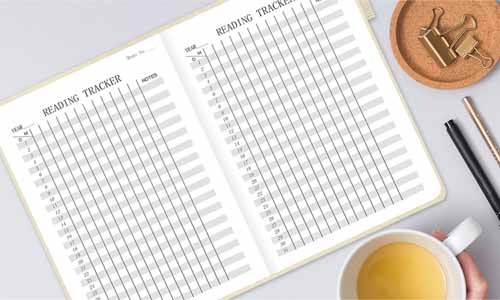
Track Your Reading Progress
Tracking creates motivation.
Use:
- Reading journals
- Digital spreadsheets
- Book tracking apps
- Printable reading logs
Record:
- Book title
- Author
- Start date
- Finish date
- Rating
- Favorite quotes
- Key lessons
Watching your yearly progress grow is highly motivating.
Join a Reading Community
Reading becomes more enjoyable when shared.
Consider joining:
- Local book clubs
- Online reading groups
- Reading challenges
- Social reading communities
Discussing books helps improve comprehension while keeping motivation high.
Build a Reading List
Don’t wait until you finish your current book to choose the next one.
Maintain a “To Read” list.
Ideas can come from:
- Friends
- Podcasts
- Book reviews
- Best-seller lists
- Award winners
- Author recommendations
Having your next book ready eliminates downtime.
Make Reading More Enjoyable
Small rewards strengthen habits.
For example:
- Enjoy coffee while reading.
- Visit a quiet library.
- Read outdoors.
- Buy a new bookmark.
- Celebrate reading milestones.
Positive associations make the habit easier to maintain.
Read at the Right Time for You
Everyone has different energy levels.
Some people focus better:
- Early morning
- During lunch
- Evening
- Before bedtime
Experiment to discover your most productive reading time.
Common Mistakes That Prevent People from Reading More
Avoid these common pitfalls:
Waiting for Motivation
Motivation comes after taking action.
Build routines instead.
Reading Only Difficult Books
Mix challenging books with lighter reads.
Spending Too Much Time on Social Media
Small scrolling sessions quickly become hours.
Setting Unrealistic Goals
Reading should inspire you, not stress you.
Never Carrying a Book
Opportunities to read appear throughout the day.
Digital Books vs Physical Books
| Feature | Physical Books | Ebooks |
| Portability | Moderate | Excellent |
| Eye Comfort | Excellent | Good |
| Note Taking | Easy | Easy |
| Storage | Requires space | Unlimited |
| Travel Friendly | Moderate | Excellent |
| Instant Purchase | No | Yes |
The best format is whichever helps you read consistently.
Sample Daily Reading Routine
Here’s a simple routine that can help you finish more books.
Morning
- Read 10 pages with breakfast.
Lunch
- Read for 10–15 minutes.
Evening
- Listen to an audiobook during exercise.
Before Bed
- Read 20 pages instead of browsing social media.
This routine can easily result in reading 30–50 books annually.
Best Tips to Read More Books Every Year
If you remember only a few things from this guide, make them these:
- Set realistic yearly goals.
- Read every day.
- Carry a book everywhere.
- Replace screen time with reading.
- Quit books you don’t enjoy.
- Listen to audiobooks.
- Track your progress.
- Join reading communities.
- Build a reading habit, not just a goal.
- Enjoy the process.
Frequently Asked Questions
How many books should I read every year?
There is no perfect number. For most people, reading 12 to 24 books annually is a realistic and sustainable goal. The most important factor is consistency rather than quantity.
How can I read more books if I have a busy schedule?
Read during small pockets of free time, such as commuting, lunch breaks, or before bed. Even 15–20 minutes each day can help you finish many books over a year.
Is listening to audiobooks considered reading?
Yes. Audiobooks are a valuable way to consume books, especially while driving, exercising, or doing household chores. They help increase your overall reading volume and expose you to more ideas.
Should I finish every book I start?
No. If a book doesn’t capture your interest or provide value after giving it a fair chance, it’s perfectly acceptable to stop and choose another one.
How long should I read each day?
Aim for at least 20 minutes daily. If you can consistently read for 30–60 minutes, you’ll likely finish significantly more books throughout the year.
What type of books should beginners start with?
Choose books that genuinely interest you rather than focusing on classics or highly recommended titles. Enjoyment is the key to building a lasting reading habit.
Final Thoughts
Learning how to read more books every year isn’t about reading faster or sacrificing your schedule. It’s about making reading a regular part of your daily life. Small, consistent actions—like setting realistic goals, replacing screen time with books, carrying a book wherever you go, and choosing titles you genuinely enjoy—can lead to remarkable results over time.
Remember that the purpose of reading isn’t simply to increase the number of books you finish. It’s to expand your knowledge, discover new ideas, improve your thinking, and enjoy the journey of lifelong learning. Start with just a few pages today, stay consistent, and you’ll be surprised by how many books you complete by the end of the year.
If you found this guide helpful, explore more practical lifestyle and personal development articles on Imagenish.com to continue building habits that support learning, productivity, and personal growth.