
How Helpful Tips Can Make You a Professional Creative Designer: The Ultimate Guide

The creative industry is growing faster than ever. Businesses, startups, eCommerce stores, and global brands all rely on professional creative designers to communicate their messages visually. Whether it’s a logo, website, social media graphic, product packaging, or mobile application, every successful brand needs compelling design.
However, becoming a professional creative designer requires much more than knowing how to use Photoshop or Illustrator. It demands creativity, strategic thinking, technical expertise, communication skills, and continuous learning.
This comprehensive guide shares practical tips that can help beginners and experienced designers improve their skills, build stronger portfolios, attract clients, and succeed in the competitive design industry.
What Is a Professional Creative Designer?
A professional creative designer is someone who combines creativity, design principles, technology, and problem-solving skills to create visual content that communicates ideas effectively.
Creative designers work across multiple industries, including:
- Graphic Design
- UI/UX Design
- Web Design
- Branding
- Advertising
- Digital Marketing
- Product Design
- Motion Graphics
- Print Media
- Social Media Marketing
Their primary goal is not just making attractive designs but solving communication problems visually.
Why Creative Design Matters
Good design influences purchasing decisions, strengthens branding, and improves user experience.
Professional design helps businesses by:
- Building trust
- Increasing customer engagement
- Improving brand recognition
- Boosting conversion rates
- Creating memorable user experiences
- Supporting digital marketing campaigns
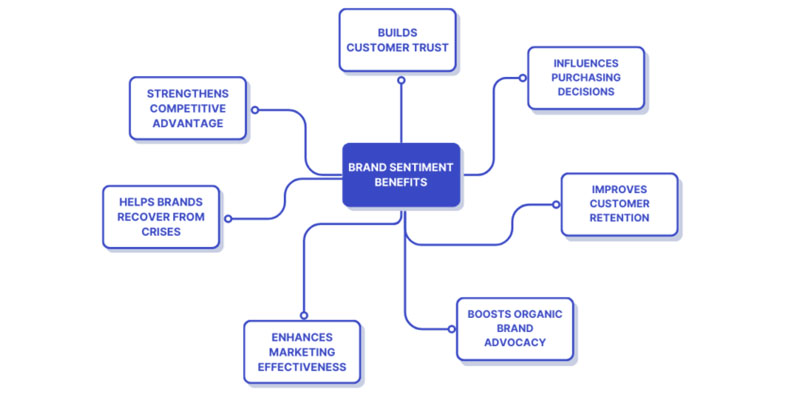
Strong visual communication often becomes the difference between an average brand and a successful one.
Essential Skills Every Professional Creative Designer Needs
1. Master Design Principles
Every successful designer understands the foundation of design.
Key principles include:
- Balance
- Contrast
- Alignment
- Repetition
- White Space
- Hierarchy
- Scale
- Proportion
- Rhythm
- Unity
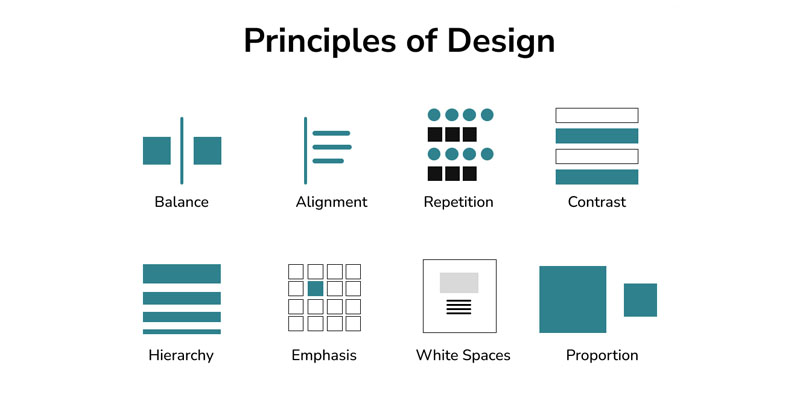
These principles ensure every design communicates effectively.
2. Learn Color Theory
Colors influence emotions and purchasing behavior.
Understanding:
- Complementary colors
- Analogous colors
- Warm vs cool colors
- Color psychology
- Brand colors
- Accessibility contrast
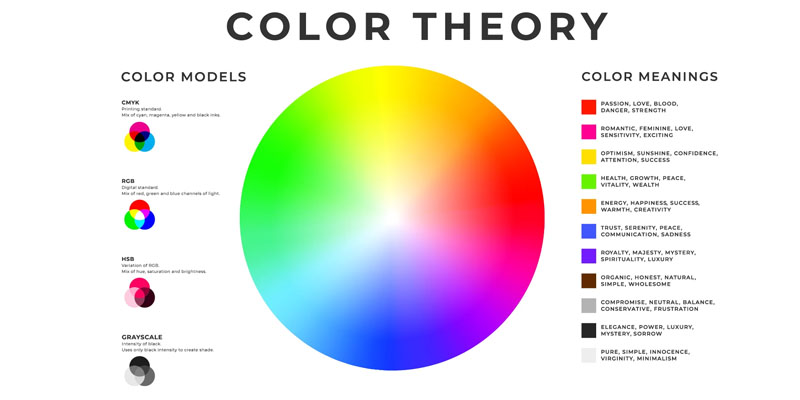
will help you create more impactful designs.
3. Improve Typography Skills
Typography is often underestimated.
Learn:
- Font pairing
- Letter spacing
- Line height
- Readability
- Visual hierarchy
- Responsive typography
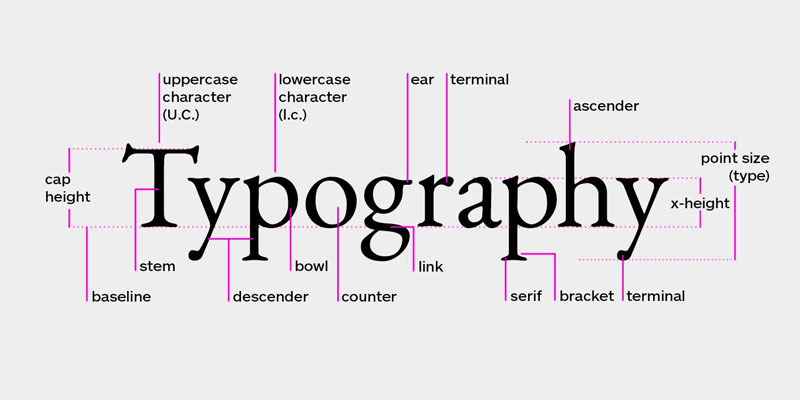
Great typography can dramatically improve any design.
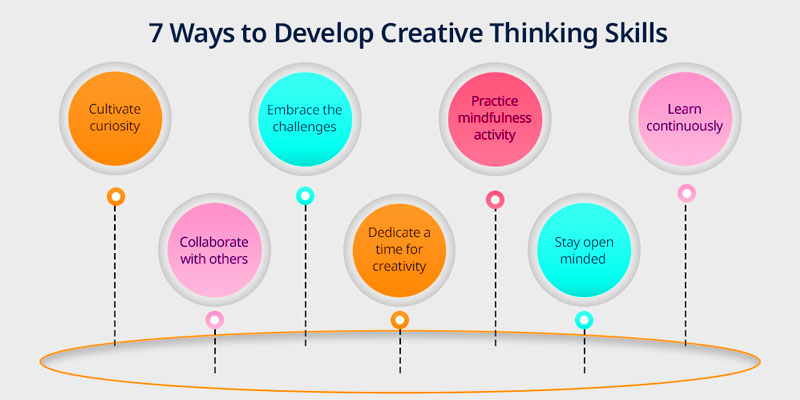
4. Develop Creative Thinking
Creativity isn’t magic—it can be developed.
Ways to improve creativity:
- Sketch daily
- Explore nature
- Read design books
- Analyze famous brands
- Join design communities
- Watch creative tutorials
- Experiment with new styles
Practice consistently to strengthen your creative thinking.
Learn Industry-Standard Design Software
Professional designers use powerful software to bring ideas to life.
Popular tools include:
- Adobe Photoshop
- Adobe Illustrator
- Adobe InDesign
- Adobe XD
- Figma
- Sketch
- Canva Pro
- Affinity Designer
- CorelDRAW
- Blender
Mastering these tools increases productivity and opens more career opportunities.
Understand Branding
Branding is more than creating a logo.
A complete brand identity includes:
- Logo
- Typography
- Color palette
- Iconography
- Photography style
- Brand voice
- Visual consistency
- Marketing materials
Professional designers create visual systems that represent a company’s personality.
Build a Strong Portfolio
Your portfolio is your most valuable marketing tool.
Include:
- Logo designs
- Social media graphics
- UI/UX projects
- Branding projects
- Print designs
- Packaging
- Product mockups
- Before-and-after redesigns
- Personal creative projects
Always explain your design process, challenges, and solutions.
Learn UI/UX Design
User Interface and User Experience design are among today’s highest-paying creative fields.
Essential topics include:
- User research
- Wireframing
- Prototyping
- User testing
- Accessibility
- Responsive design
- Mobile-first design
- Information architecture
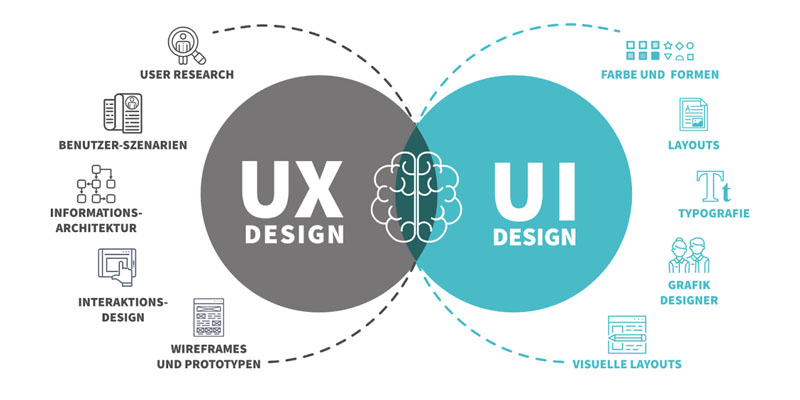
Companies increasingly seek designers with UI/UX expertise.
Improve Your Communication Skills
Designers work with clients, developers, marketers, and business owners.
Good communication helps you:
- Understand requirements
- Present ideas clearly
- Handle feedback professionally
- Build long-term relationships
- Avoid misunderstandings
Listening is just as important as speaking.
Stay Updated with Design Trends
The creative industry evolves constantly.
Popular trends include:
- Minimalism
- Glassmorphism
- Dark mode
- 3D illustrations
- AI-generated graphics
- Motion design
- Bold typography
- Organic shapes
- Retro aesthetics
- Interactive design
Follow trends but avoid copying them blindly.
Learn the Basics of Marketing
Design and marketing work together.
Understanding marketing helps you design for results.
Important concepts:
- Target audience
- Customer journey
- Brand awareness
- Conversion optimization
- Call-to-action placement
- Landing page design
- Social media engagement
Designers who understand marketing create more effective visuals.
Practice Every Day
Consistency builds expertise.
Daily practice ideas:
- Redesign existing logos
- Create posters
- Build website mockups
- Design mobile apps
- Make social media ads
- Illustrate icons
- Create infographics
- Improve previous work
Small daily improvements lead to significant growth.
Learn from Other Designers
Study successful designers.
Observe:
- Layout
- Typography
- Color choices
- User flow
- Branding strategies
- Visual storytelling
Analyze why their work succeeds rather than simply imitating it.
Accept Feedback
Constructive criticism helps you improve faster.
When receiving feedback:
- Listen carefully
- Avoid defensiveness
- Ask questions
- Make revisions thoughtfully
- Learn from recurring comments
Professional growth comes from continuous refinement.
Create Your Personal Brand
Clients remember designers with a recognizable identity.
Develop:
- Personal logo
- Professional website
- Portfolio
- Consistent social media presence
- Design style
- Brand colors
A strong personal brand builds trust and attracts opportunities.
Build a Professional Website
Your website should showcase:
- Portfolio
- About page
- Services
- Testimonials
- Contact information
- Blog
- Case studies
A blog also improves your search engine rankings by targeting relevant keywords.
Learn SEO Basics
Understanding Search Engine Optimization benefits both your website and your clients.
SEO-friendly practices include:
- Optimized page titles
- Meta descriptions
- Keyword-rich headings
- Alt text for images
- Fast-loading pages
- Mobile responsiveness
- Internal linking
- High-quality content
SEO knowledge adds extra value to your design services.
Improve Time Management
Successful designers manage multiple projects efficiently.
Helpful strategies:
- Use project management tools
- Break projects into tasks
- Prioritize deadlines
- Avoid multitasking
- Schedule creative time
- Take regular breaks
Efficient workflows reduce stress and improve quality.
Keep Learning New Skills
Expand beyond traditional graphic design.
Consider learning:
- Motion graphics
- Video editing
- 3D modeling
- AI design tools
- Web development basics
- Animation
- Digital illustration
A diverse skill set makes you more competitive.
Network with Other Professionals
Networking creates career opportunities.
Join:
- Design forums
- LinkedIn groups
- Creative communities
- Online workshops
- Local meetups
- Design conferences
Building relationships often leads to referrals and collaborations.
Start Freelancing
Freelancing helps you gain real-world experience.
Popular services include:
- Logo Design
- Social Media Graphics
- Photo Editing
- Branding
- UI Design
- Product Image Editing
- Packaging Design
- Business Cards
- Website Design
Each completed project strengthens your portfolio and client base.
Build Long-Term Client Relationships
Returning clients provide stable income.
Deliver:
- High-quality work
- Fast communication
- Timely delivery
- Professional behavior
- Creative solutions
Satisfied clients often recommend your services to others.
Common Mistakes to Avoid
Many new designers make avoidable mistakes.
Avoid:
- Overusing fonts
- Ignoring white space
- Copying other designers
- Poor organization
- Weak typography
- Inconsistent branding
- Low-resolution images
- Missing deadlines
- Ignoring accessibility
- Neglecting feedback
Learning from mistakes accelerates professional growth.
Daily Habits of Successful Creative Designers
Successful designers often:
- Read design blogs
- Practice sketching
- Learn new software
- Organize files
- Update portfolios
- Study competitors
- Follow design trends
- Improve communication
- Seek inspiration
- Reflect on completed projects
These habits build lasting expertise over time.
Career Opportunities for Creative Designers
Creative designers can work as:
- Graphic Designer
- UI Designer
- UX Designer
- Brand Designer
- Product Designer
- Motion Graphics Designer
- Packaging Designer
- Advertising Designer
- Art Director
- Creative Director
- Digital Designer
- Freelance Designer
Demand continues to grow across technology, retail, education, healthcare, entertainment, and eCommerce industries.
Future of Creative Design
The future of design is evolving with technologies such as artificial intelligence, augmented reality, and immersive user experiences. Designers who embrace innovation while maintaining strong design fundamentals will remain highly competitive.
Future-ready designers focus on:
- AI-assisted workflows
- Accessibility-first design
- Sustainable design practices
- Data-driven design decisions
- Cross-platform experiences
- Human-centered design
Adaptability will be one of the most valuable professional skills.
Final Thoughts
Becoming a professional creative designer is a journey of continuous learning, experimentation, and improvement. Mastering design principles, understanding user needs, building a compelling portfolio, and staying current with industry trends will help you stand out in a competitive market.
Success doesn’t happen overnight. Every project you complete, every piece of feedback you accept, and every new skill you learn contributes to your growth as a designer. Focus on creating meaningful, user-centered designs, maintain professionalism, and never stop exploring new creative possibilities.
Whether you aspire to work for a leading agency, build a successful freelance business, or join a global tech company, the habits and strategies outlined in this guide can help you develop the expertise and confidence needed to thrive as a professional creative designer.