
How AI Is Changing Creative Work

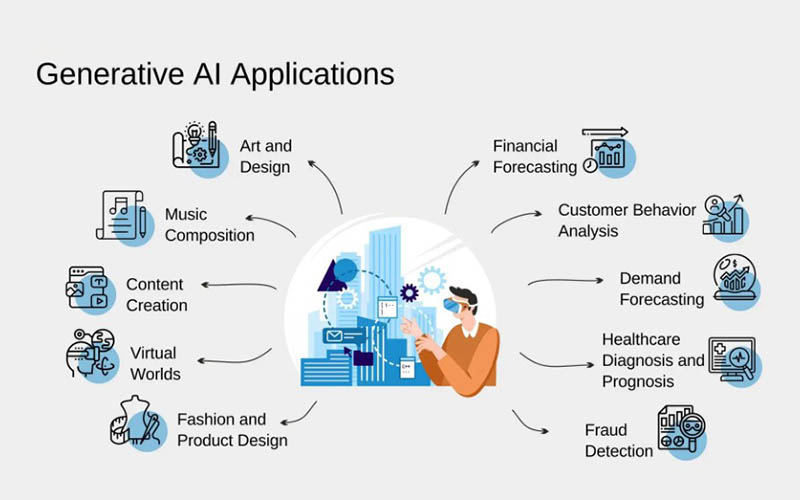
How AI is changing creative work is no longer a question of the future—it’s today’s reality. From graphic design and digital art to writing, music production, video editing, and photography, artificial intelligence is reshaping how creative professionals work, collaborate, and innovate.
Instead of replacing creativity, AI is becoming a powerful creative partner. It automates repetitive tasks, generates fresh ideas, speeds up production, and allows creators to focus on storytelling, strategy, and originality. Whether you’re a designer, photographer, marketer, artist, content creator, or entrepreneur, understanding AI’s role can help you stay competitive while maintaining your unique creative voice.
In this guide, we’ll explore how AI is transforming creative work, its biggest advantages and limitations, practical applications across industries, common misconceptions, and best practices for using AI responsibly.
What Is AI in Creative Work?
Artificial Intelligence (AI) refers to computer systems capable of performing tasks that traditionally required human intelligence. In creative industries, AI uses machine learning, natural language processing (NLP), and generative AI models to assist with creating text, images, videos, music, animations, and designs.
Unlike traditional software that follows fixed instructions, AI learns from massive datasets and can generate new ideas based on prompts or existing content.
Popular AI-powered creative tools include:
- AI writing assistants
- AI image generators
- AI video editors
- AI music composition software
- AI photo enhancement tools
- AI presentation makers
- AI voice generation platforms
These tools don’t eliminate creativity—they help creators produce better work more efficiently.
Why AI Is Revolutionizing Creative Industries
The creative process often involves repetitive tasks that consume valuable time.
AI helps automate these activities, allowing professionals to spend more time on innovation.
Some major reasons AI is changing creative work include:
- Faster content creation
- Lower production costs
- Improved workflow efficiency
- Personalized customer experiences
- Better collaboration
- Increased accessibility for beginners
- Data-driven creative decisions
Businesses can now create marketing campaigns, social media graphics, product photos, blog posts, and promotional videos in hours instead of days.
How AI Is Changing Different Creative Fields
Graphic Design
AI has become a valuable assistant for graphic designers rather than a replacement.
Modern AI tools can:
- Generate design concepts
- Remove image backgrounds
- Upscale images
- Create logos
- Suggest layouts
- Generate illustrations
- Improve color palettes
Designers still make creative decisions while AI handles repetitive editing tasks.
Photography
Photography has seen one of the biggest AI transformations.
AI now helps with:
- Automatic photo retouching
- Object removal
- Sky replacement
- Noise reduction
- Image sharpening
- Color correction
- Background replacement
Professional photographers can edit hundreds of images much faster than before while maintaining consistent quality.
Content Writing
AI writing assistants help content creators:
- Generate article outlines
- Brainstorm ideas
- Improve grammar
- Rewrite paragraphs
- Create SEO-friendly drafts
- Generate product descriptions
- Write social media captions
Human writers remain essential for adding expertise, storytelling, originality, emotional depth, and fact-checking.
Video Production
Video creators now use AI to:
- Automatically edit videos
- Generate subtitles
- Remove background noise
- Create voiceovers
- Translate videos
- Generate B-roll suggestions
- Produce short-form content
This dramatically reduces editing time while increasing production quality.
Music Production
AI can:
- Generate melodies
- Create background music
- Suggest chord progressions
- Mix audio
- Master tracks
- Produce royalty-free music
Musicians still guide the artistic direction while AI speeds up technical production.
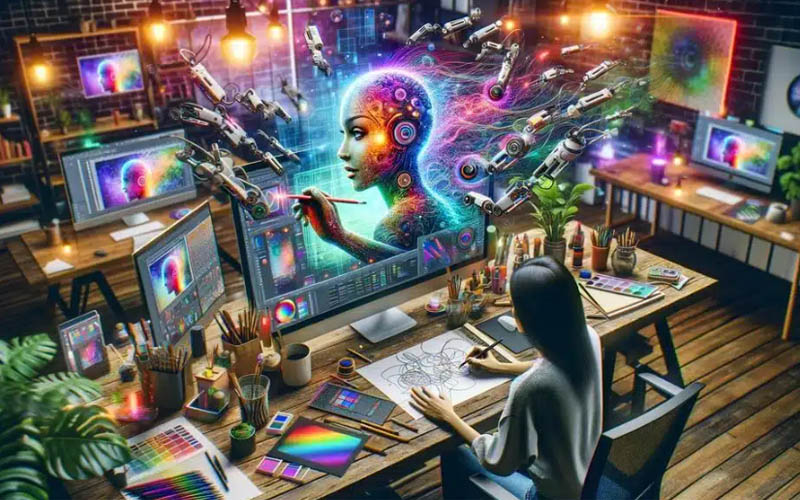
Digital Art and Illustration
Artists increasingly use AI for:
- Idea generation
- Concept art
- Character design
- Fantasy environments
- Texture creation
- Mood boards
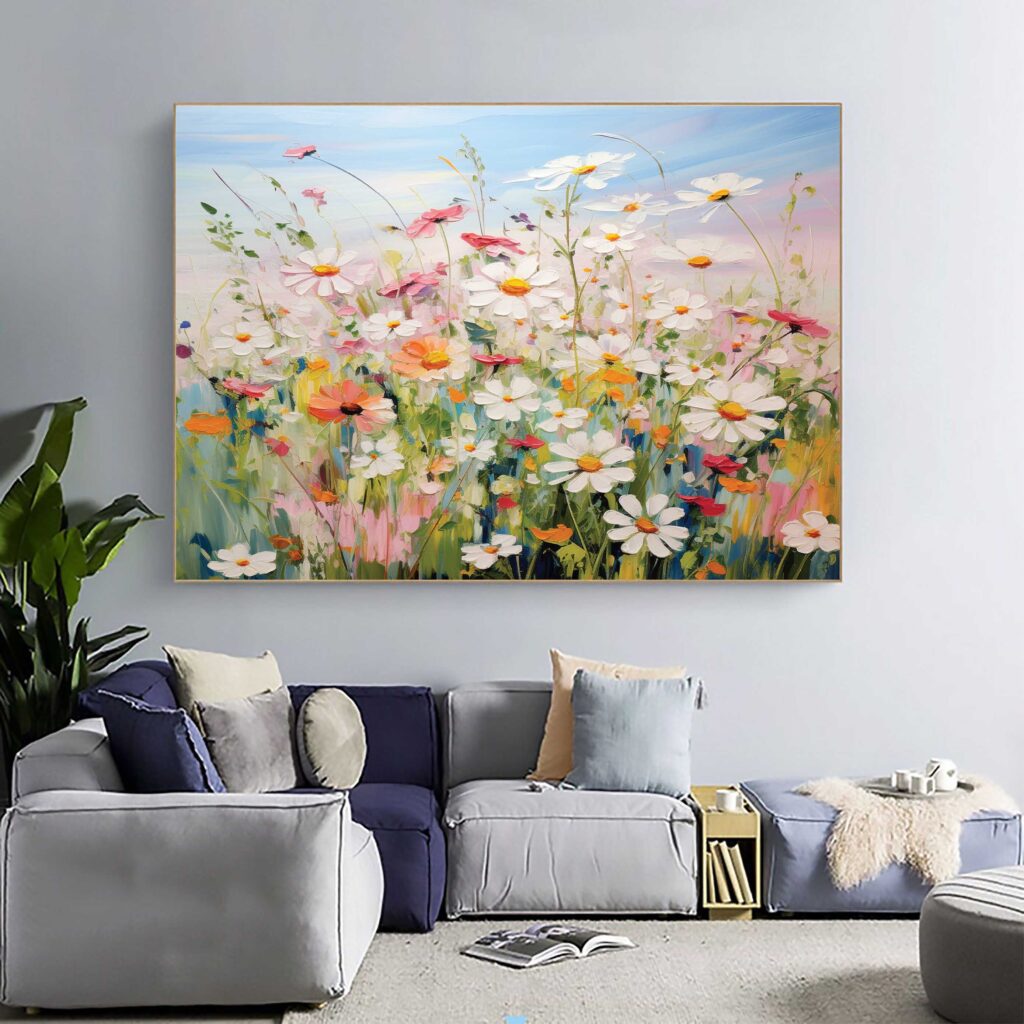
Instead of starting from a blank canvas, creators begin with AI-generated concepts and refine them into original artwork.
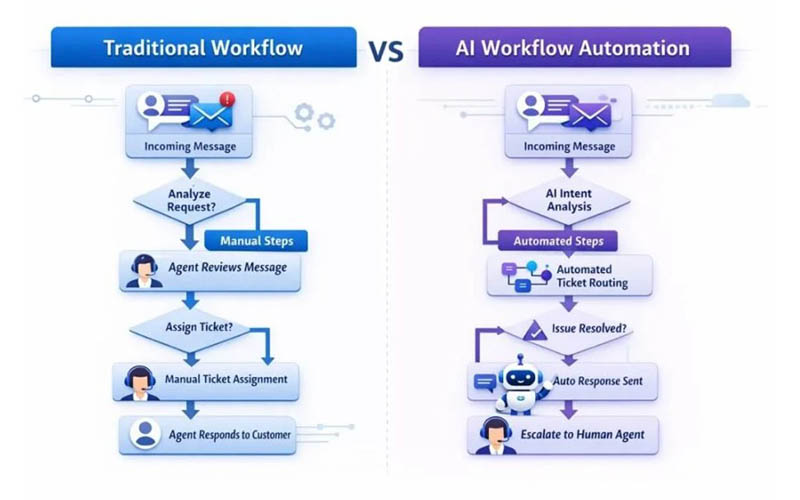
Traditional Creative Workflow vs AI-Assisted Workflow
| Traditional Workflow | AI-Assisted Workflow |
| Manual brainstorming | AI-generated ideas |
| Hours of editing | Automated editing |
| Manual image retouching | One-click enhancements |
| Repetitive revisions | AI suggestions |
| Slow content creation | Faster drafting |
| Higher production costs | More affordable workflows |
| Limited experimentation | Rapid idea testing |
AI reduces production time while expanding creative possibilities.
Benefits of AI for Creative Professionals
Increased Productivity
AI handles repetitive work like resizing images, grammar corrections, keyword suggestions, and basic edits.
This gives creators more time for strategic thinking and innovation.
Better Idea Generation
Creative blocks happen to everyone.
AI can generate:
- Headlines
- Story ideas
- Color combinations
- Marketing concepts
- Campaign slogans
- Product names
These suggestions inspire creators rather than replacing original thinking.
Lower Costs
Small businesses and freelancers can now produce professional-quality content without hiring large creative teams.
This makes high-quality design and marketing more accessible.
Faster Content Production
Businesses need consistent content.
AI helps create:
- Blog posts
- Email campaigns
- Product images
- Marketing graphics
- Video clips
- Social media content
Much faster than traditional workflows.
Improved Accessibility
AI empowers beginners who may lack advanced technical skills.
Someone with limited design experience can now create visually appealing content using AI-powered design tools.
The Limitations of AI in Creative Work
AI is powerful—but not perfect.
Some important limitations include:
Lack of Emotional Intelligence
AI cannot genuinely understand emotions, cultural nuances, or lived experiences the way humans do.
Authentic storytelling still depends on human insight.
Risk of Generic Content
Overusing AI without editing often results in:
- Generic writing
- Repetitive phrases
- Weak storytelling
- Bland visuals
Human creativity remains essential for originality.
Copyright Concerns
Creators should verify ownership rights before using AI-generated content commercially.
Always review licensing policies of AI platforms.
Potential Bias
AI learns from existing datasets.
If those datasets contain bias, AI outputs may unintentionally reflect it.
Human review remains necessary.
Practical Ways to Use AI Without Losing Creativity
The best creators treat AI as a collaborator—not a replacement.
Here are practical strategies:
Use AI for Brainstorming
Generate:
- Blog topics
- Campaign concepts
- Design directions
- Story outlines
Then build unique ideas from those suggestions.
Let AI Handle Repetitive Tasks
Examples include:
- Image resizing
- Background removal
- Grammar checking
- Keyword research
- Metadata generation
Focus your energy on creative decision-making.
Always Add Human Editing
Never publish AI-generated work without reviewing:
- Accuracy
- Tone
- Brand voice
- Originality
- Facts
- Visual quality
Human refinement transforms average AI output into exceptional creative work.
Combine Multiple Creative Skills
Successful creators combine:
- AI
- Design thinking
- Marketing knowledge
- Storytelling
- Photography
- Branding
- Customer psychology
AI works best when paired with real expertise.
Common Mistakes When Using AI for Creative Work
Avoid these common pitfalls:
- Publishing AI content without editing
- Relying entirely on AI-generated ideas
- Ignoring copyright considerations
- Forgetting your brand voice
- Overusing automation
- Skipping fact-checking
- Creating content solely for search engines
The best content always balances automation with human creativity.
Real-World Examples of AI in Creative Industries
Marketing Agencies
Agencies use AI to create:
- Ad copy
- Banner concepts
- Social media graphics
- Customer insights
Teams then customize these assets for each campaign.
E-commerce Businesses
Online stores use AI for:
- Product image enhancement
- Background removal
- Product descriptions
- SEO optimization
- Customer personalization
This helps businesses launch products faster while maintaining consistency.
Content Creators
YouTubers and influencers use AI for:
- Video editing
- Thumbnail generation
- Caption writing
- Script drafting
- Analytics
They still add their personality and expertise before publishing.
Publishers
Publishing companies use AI to assist with:
- Research
- Editing
- Translation
- Content recommendations
Editors remain responsible for quality and editorial standards.
Best Practices for Responsible AI Creativity
To get the most value from AI while maintaining trust:
- Use AI to enhance—not replace—human creativity.
- Verify facts before publishing.
- Edit every AI-generated draft.
- Maintain a consistent brand voice.
- Respect copyright and licensing requirements.
- Protect sensitive or confidential information.
- Be transparent when appropriate about AI-assisted content.
- Continue developing your own creative skills alongside AI.
Creators who combine technology with originality are likely to produce the most meaningful and distinctive work.
The Future of AI and Creative Work
AI capabilities continue to evolve rapidly. In the coming years, we can expect:
- More personalized creative tools
- Better collaboration between humans and AI
- Faster multimedia content generation
- Improved real-time language translation
- Smarter design recommendations
- Enhanced accessibility for independent creators
- Stronger ethical and copyright frameworks
Despite these advances, imagination, empathy, cultural understanding, and authentic storytelling will remain uniquely human strengths.
The future belongs to creators who know how to use AI strategically while preserving their own artistic vision.
Frequently Asked Questions
Is AI replacing creative professionals?
No. AI is changing how creative professionals work rather than replacing them. Human creativity, critical thinking, emotional intelligence, and originality remain essential.
Can AI create original artwork?
AI can generate new images based on patterns it has learned, but truly original artistic direction, meaning, and emotional impact still come from human creators.
Is AI-generated content good for SEO?
AI-generated content can perform well in search engines if it is accurate, original, helpful, fact-checked, and enhanced with human expertise. Simply publishing raw AI output is unlikely to provide the best results.
Which industries benefit most from AI creativity?
Graphic design, photography, marketing, advertising, publishing, e-commerce, filmmaking, architecture, education, gaming, and music production all benefit significantly from AI-assisted creative workflows.
What skills should creatives learn alongside AI?
Focus on skills that complement AI, such as storytelling, branding, UX design, marketing strategy, communication, critical thinking, visual design principles, and prompt engineering.
Can beginners use AI creative tools?
Yes. Many AI platforms are beginner-friendly and help users create professional-looking content with minimal technical knowledge. Learning the basics of design and writing will still improve the final results.
Conclusion
AI is changing creative work by making it faster, more efficient, and more accessible than ever before. It can automate repetitive tasks, spark new ideas, and help creators produce high-quality content across writing, design, photography, video, and music. Yet the qualities that make creative work truly memorable—originality, empathy, storytelling, and human judgment—remain beyond automation.
The most successful creators won’t be those who resist AI or rely on it completely. They’ll be the ones who embrace AI as a powerful assistant while continuing to refine their own skills, develop unique perspectives, and deliver authentic value to their audiences.
As AI technology continues to evolve, now is the ideal time to learn how to integrate it into your creative workflow thoughtfully and responsibly. By combining human imagination with intelligent tools, you can work more efficiently, expand your creative possibilities, and stay ahead in an increasingly competitive digital landscape.