
Benefits of Coloring Pages for Stress Relief and Mental Wellness

Modern life can feel overwhelming. Between work deadlines, family responsibilities, digital distractions, and everyday challenges, finding time to relax and recharge is becoming increasingly important. The benefits of coloring pages for stress relief and mental wellness go beyond simple entertainment. Coloring offers an accessible, creative activity that can help people slow down, focus on the present moment, and enjoy a peaceful break from daily pressures.

You do not need to be an artist, own expensive supplies, or have previous creative experience to enjoy coloring. A few coloring pages, some pencils or markers, and a little uninterrupted time can create an opportunity to relax and express yourself. From intricate mandalas and floral patterns to simple illustrations and nature-inspired designs, coloring offers different experiences for people of all ages.
Although coloring is not a replacement for professional mental health care, it can be a useful part of a balanced self-care routine. In this guide, we explore how coloring pages may support stress relief, mindfulness, emotional expression, concentration, and overall well-being, along with practical ways to make coloring a meaningful part of your daily life.
How Coloring Pages Help Reduce Stress
Coloring is a structured yet creative activity. It gives your attention something specific to focus on without requiring complex decisions or demanding physical effort. For many people, this can provide a welcome break from stressful thoughts and constant digital stimulation.
When you choose colors, follow outlines, and gradually complete an illustration, you engage in a repetitive activity that may feel calming and rewarding.
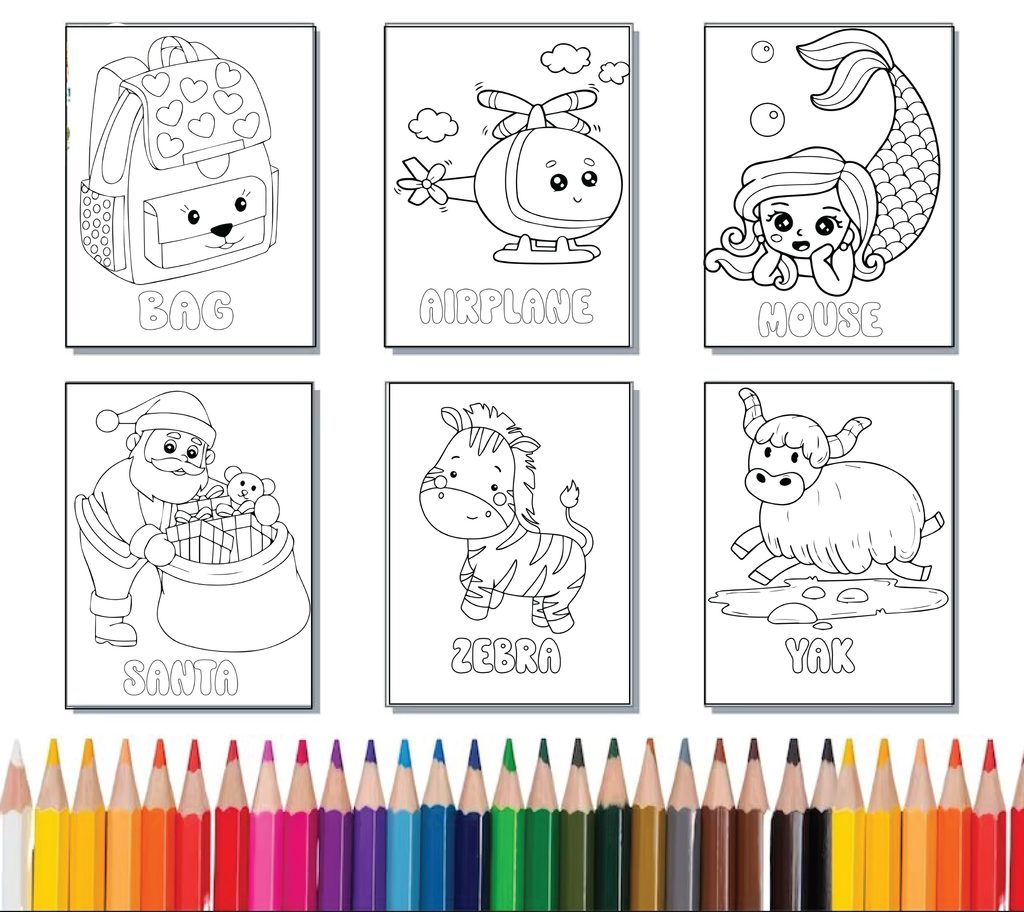
Encourages Relaxation and Mental Breaks
Coloring can provide a simple way to step away from everyday responsibilities. Instead of thinking about a long list of unfinished tasks, you can focus on filling a single shape or choosing a color for a flower.
This shift in attention may help you feel less mentally overwhelmed, particularly when coloring is done in a comfortable, distraction-free environment.
For example, someone who spends most of the day responding to emails might take a 15-minute coloring break after work. This activity can create a transition between a busy workday and personal time.
May Reduce Feelings of Tension
Coloring involves small, repetitive hand movements and sustained attention. These features may make the activity feel soothing for some people.
Some research has examined structured coloring activities, including mandala coloring, and found evidence of short-term reductions in self-reported anxiety in certain settings. However, results vary, and coloring should not be considered a guaranteed treatment for stress or anxiety.
The most useful approach is to treat coloring as a low-pressure activity that you can adapt to your own comfort and preferences.
Mental Health Benefits of Coloring Pages
The mental wellness benefits of coloring pages can extend beyond relaxation. Depending on the person and the setting, coloring may support attention, creativity, emotional awareness, and a sense of accomplishment.
1. Supports Mindfulness and Present-Moment Awareness
Mindfulness means paying attention to the present moment without becoming overly caught up in thoughts about the past or future.
Coloring naturally provides opportunities to practice this skill. You can pay attention to the movement of your hand, the texture of the paper, the shades you select, and the gradual appearance of the finished design.
To make coloring more mindful:
- Choose a quiet place where you feel comfortable.
- Put your phone aside for a short period.
- Notice the colors, shapes, and patterns as you work.
- Gently bring your attention back whenever your mind wanders.
- Focus on the experience instead of completing the page perfectly.
This simple practice can turn an ordinary creative activity into a mindful break.
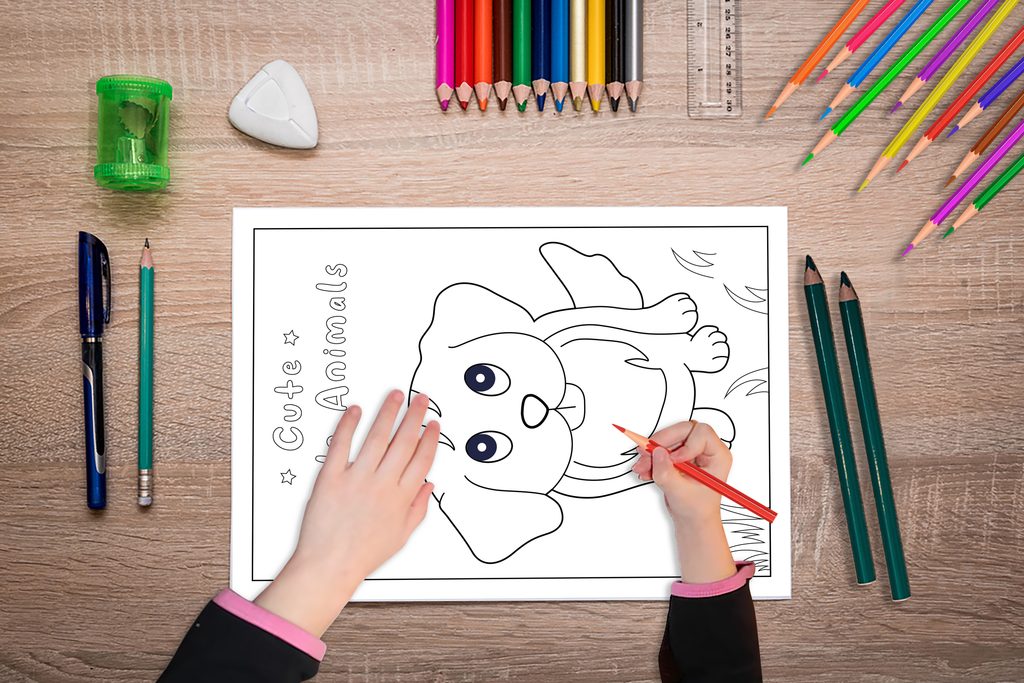
2. Encourages Emotional Expression
Sometimes, it can be difficult to explain how you feel, especially after a stressful or emotionally demanding day. Creative activities offer another way to explore feelings without needing to put everything into words.
Coloring allows you to experiment with different shades, patterns, and visual choices. You might prefer bright colors when feeling energetic or softer shades when looking for a peaceful experience.
There is no universal meaning behind a particular color choice, so avoid treating your coloring decisions as a psychological test. Instead, use the process as an opportunity to notice your preferences and express yourself freely.
3. Builds a Sense of Achievement
Completing a coloring page provides a visible result of your effort. Even a small finished illustration can offer a sense of progress, particularly when other parts of life feel uncertain or demanding.
You can choose a small design and finish it in one sitting or work gradually on a more detailed illustration over several days.
The important thing is to enjoy the process rather than judge the result.
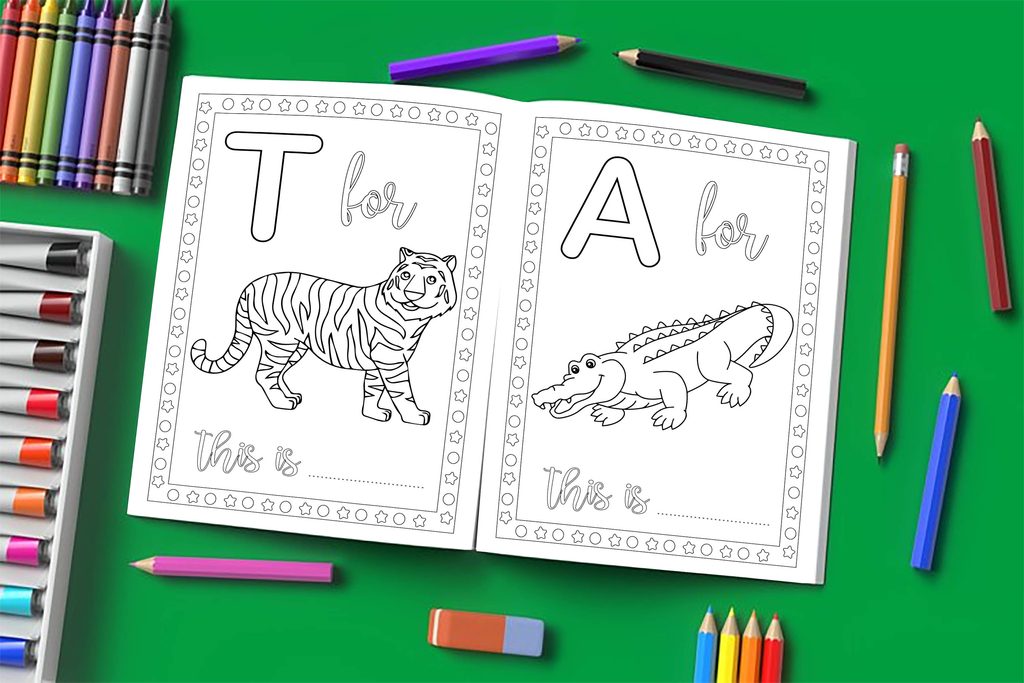
4. Promotes Creative Thinking
Coloring encourages experimentation with color combinations, contrast, patterns, and visual balance. It gives you an opportunity to make creative decisions without the pressure of starting artwork from a blank page.
For beginners, pre-drawn coloring pages provide a helpful structure. More experienced artists can use them as a starting point for experimenting with shading, gradients, and mixed media.
This combination of structure and personal choice makes coloring accessible to a wide range of creative abilities.
Coloring Pages for Different Age Groups
Coloring is a flexible activity that can be adapted to different ages, abilities, and personal interests. The most suitable coloring page depends on the individual’s comfort, attention span, and preferred level of detail.
Coloring Pages for Adults
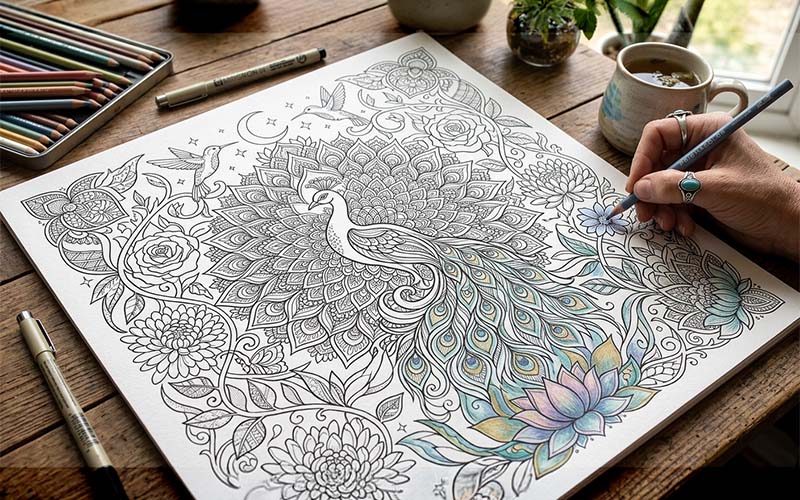
Adults may enjoy detailed mandalas, geometric patterns, botanical illustrations, and nature-inspired designs. These pages provide a structured creative activity that can fit into a short break, an evening routine, or a weekend self-care session.
Adults who prefer less complexity can choose simple flowers, landscapes, or abstract patterns instead. There is no need to select a difficult design to gain enjoyment from coloring.
Coloring Pages for Children
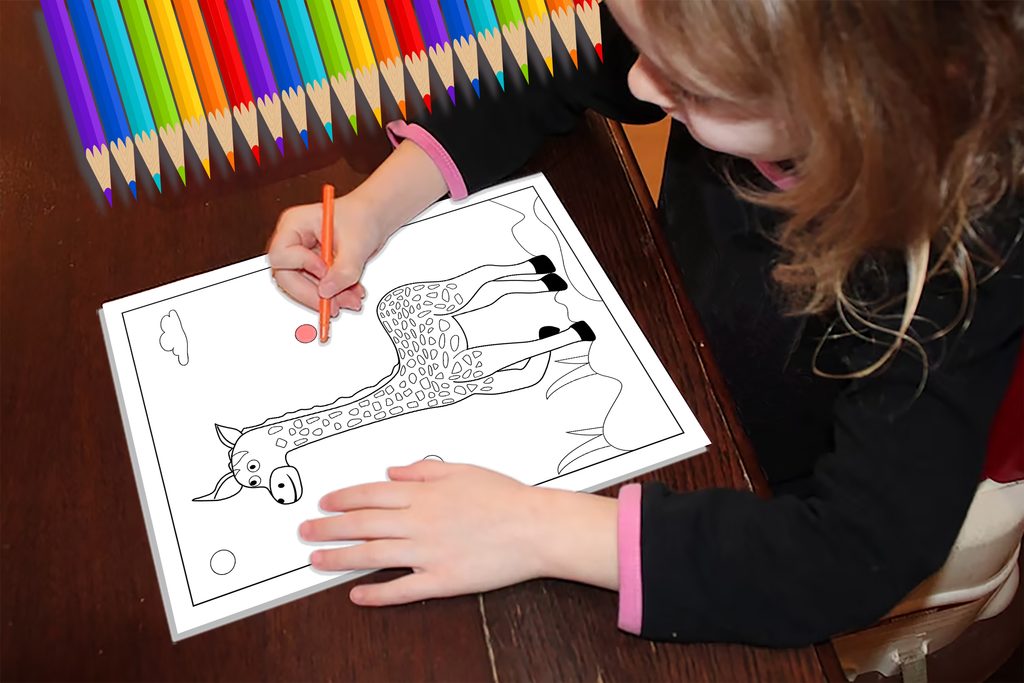
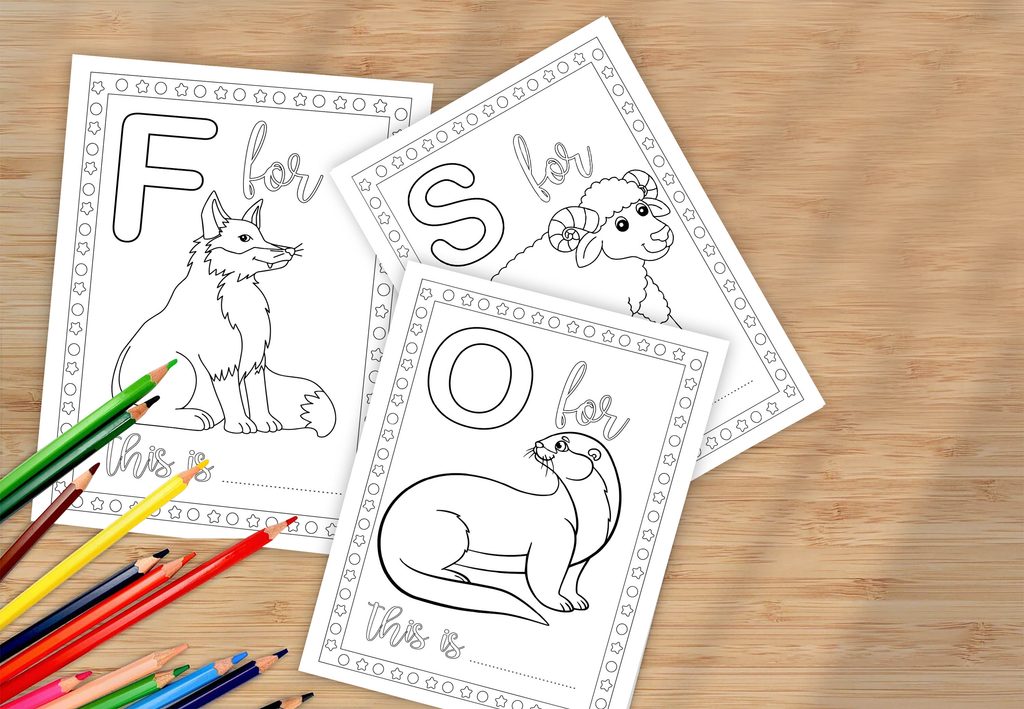
For children, coloring can combine creativity with opportunities to practice attention, color recognition, and fine motor coordination.
Simple illustrations of animals, vehicles, plants, and familiar objects are often suitable for younger children. Older children may enjoy more detailed scenes and imaginative designs.
Parents and caregivers can make coloring more engaging by coloring alongside children, asking open-ended questions about their pictures, and allowing them to make their own choices without correcting every detail.
Coloring Pages for Older Adults
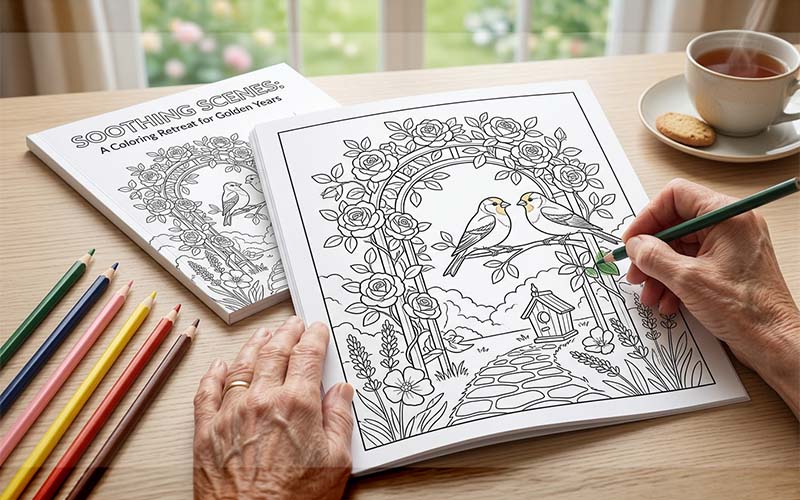
Older adults may enjoy coloring as a relaxing hobby, a social activity, or a way to spend meaningful leisure time. Floral illustrations, familiar objects, landscapes, and large-print patterns can be useful options depending on visual comfort and hand mobility.
Coloring in a group can also create opportunities for conversation and social connection. However, it should remain an enjoyable choice rather than an activity that participants feel pressured to complete.
Best Types of Coloring Pages for Stress Relief
Different coloring designs offer different creative experiences. Some encourage detailed attention, while others provide a simple and accessible way to relax.
| Coloring Page Type | Main Experience | Suitable For |
| Mandala Coloring Pages | Repetitive shapes and patterns | People who enjoy symmetry |
| Floral Coloring Pages | Nature-inspired creativity | Relaxing, casual coloring |
| Geometric Patterns | Repetition and visual structure | People who enjoy precision |
| Nature and Landscape Pages | Creative exploration of scenery | Beginners and experienced colorists |
| Simple Mindfulness Pages | Short, accessible creative breaks | Busy people and beginners |
| Abstract Coloring Pages | Open-ended color experimentation | People who prefer creative freedom |
Why Mandala Coloring Pages Are Popular
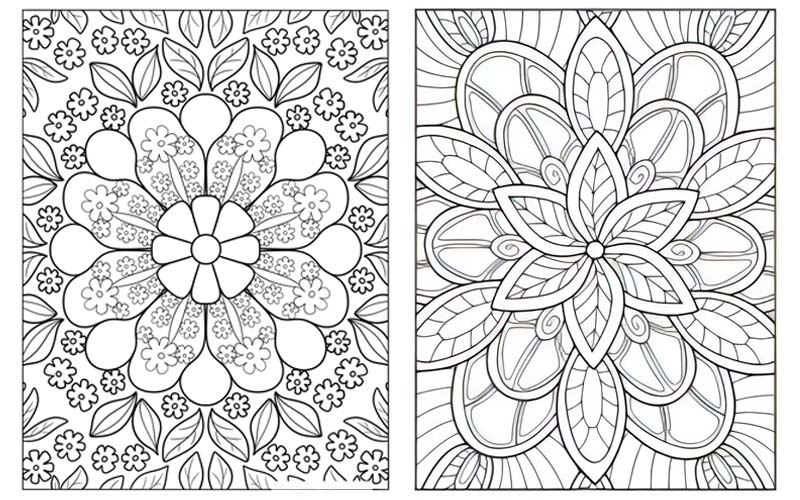
Mandala coloring pages feature circular designs, repeated patterns, and symmetrical shapes. Their organized structure can make it easier to focus on one section at a time.
Research findings are encouraging but not definitive. A 2022 systematic review and meta-analysis of eight studies involving 578 adults found that mandala coloring did not reduce state anxiety significantly more than free drawing. The authors noted that both activities may offer benefits, while emphasizing the need for more high-quality research.
This suggests that you do not need to choose mandalas specifically to enjoy a creative break. A design that feels appealing and comfortable to color may be just as suitable for your personal routine.
How to Build a Relaxing Daily Coloring Routine
You do not need to spend hours coloring to make it part of your self-care routine. A short, consistent session can provide a practical opportunity to pause and enjoy a creative activity.
A Simple 15-Minute Coloring Routine
1. Minutes 1–2: Prepare Your Space
Find a comfortable chair, choose your coloring page, and gather a few pencils or markers. Put away distractions if possible.
2. Minutes 3–5: Choose Your Colors
Pick colors that appeal to you. There is no need to follow a specific palette or match realistic shades.
3. Minutes 6–12: Focus on Coloring
Work on one section at a time. Notice the movement of your hand and the visual patterns without worrying about finishing the page.
4. Minutes 13–15: Pause and Reflect
Look at what you have created. Notice whether you feel more settled, more focused, or simply pleased to have spent time on something enjoyable.
For people with busy schedules, coloring can fit naturally into an evening wind-down routine, a lunch break, or a quiet weekend morning. The goal is to create an enjoyable pause, not another task on your to-do list.
Printable vs. Digital Coloring Pages for Mental Wellness
Both printable and digital coloring pages can provide a creative break. The right option depends on your preferred materials, available devices, and how you enjoy coloring.
| Feature | Printable Coloring Pages | Digital Coloring Pages |
| Materials | Paper, pencils, crayons, or markers | Tablet, phone, or computer |
| Creative Experience | Physical, hands-on activity | Screen-based interaction |
| Customization | Depends on coloring tools | Often includes adjustable colors and tools |
| Portability | Requires printed pages and supplies | Convenient on a compatible device |
| Reusability | Print additional copies | Often reusable within the app |
| Best For | People who enjoy traditional art | People who prefer digital creativity |
Benefits of Printable Coloring Pages
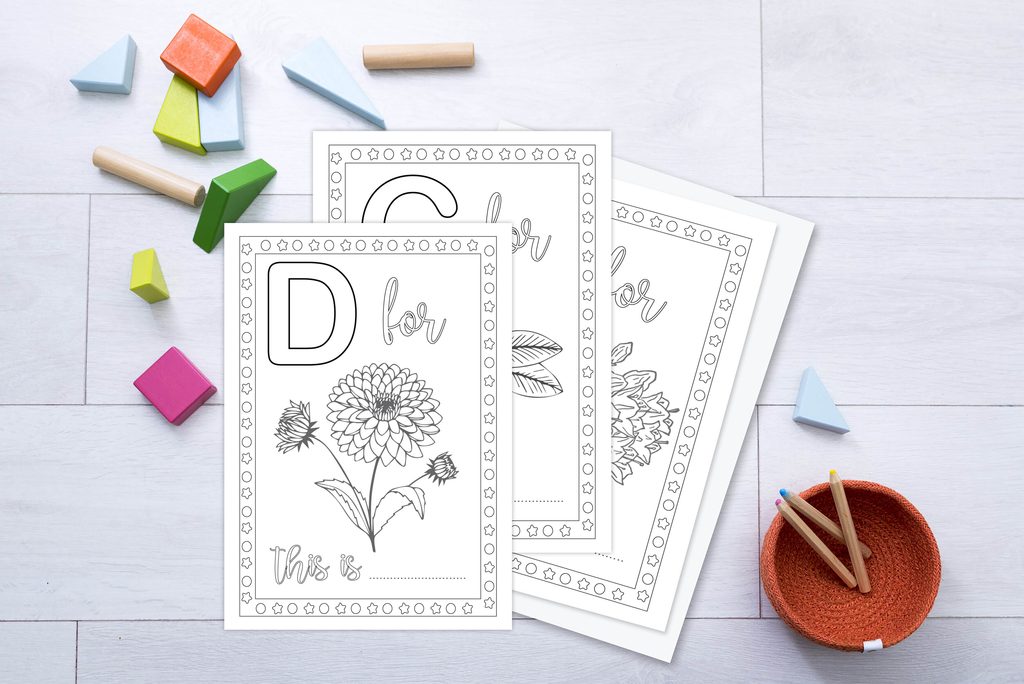
Printable coloring pages may be especially appealing if you want a screen-free activity. You can use colored pencils, crayons, markers, or other art supplies to create a personalized result.
They are also easy to print in different sizes and keep in a folder for future coloring sessions.
Benefits of Digital Coloring Pages
Digital coloring pages can be convenient for travel or short breaks when carrying art supplies is impractical. Many digital tools offer different colors, brushes, and simple editing options.
If screen time contributes to your fatigue, printable pages may offer a welcome change. On the other hand, digital coloring can be useful when you have limited space or prefer easy access to different designs.
Common Mistakes to Avoid When Coloring for Stress Relief
Coloring should be an enjoyable activity, but certain habits can make it feel more like work than relaxation.
- Trying to Achieve Perfection: Uneven coloring, unexpected shades, and imperfect lines are all part of creative exploration.
- Choosing Overly Complicated Designs: Intricate patterns can be frustrating if you are tired or short on time. Start with simpler pages when necessary.
- Comparing Your Artwork With Others: Coloring is a personal activity, and your experience does not need to match someone else’s.
- Forcing Yourself to Finish: It is perfectly fine to leave a page unfinished and return to it later.
- Expecting Immediate Stress Relief: People respond differently to creative activities. Some may feel relaxed, while others may prefer a different form of leisure.
- Using Coloring to Avoid Every Difficult Feeling: A creative break can be helpful, but persistent emotional difficulties may also require conversation, support, or professional care.
Coloring is a self-care activity, not a substitute for therapy, medical advice, or treatment for mental health conditions. If stress, anxiety, or low mood is persistent or interferes with everyday life, consider speaking with a qualified mental health professional.
What Does Research Say About Coloring and Mental Wellness?
Research into coloring and mental wellness is growing, particularly around structured activities such as mandala coloring. Some studies suggest that coloring may help reduce short-term anxiety or perceived stress in particular settings, but results are not uniform.
A 2022 meta-analysis found no significant advantage of mandala coloring over free drawing for reducing state anxiety in adults. Other research has examined mandala coloring in clinical settings, including among hospitalized adults, with promising findings but limitations in the certainty of the evidence.
There are several important points to keep in mind:
- Studies may use different coloring activities, session lengths, and participant groups.
- Short-term changes in self-reported anxiety do not necessarily indicate lasting improvements in mental health.
- Enjoyment, personal preference, and the environment may influence an individual’s experience.
- Findings from clinical settings cannot automatically be applied to everyone coloring at home.
The practical takeaway is that coloring can be a low-cost, accessible addition to a wellness routine. Its value is best judged by whether you personally find it enjoyable, calming, or creatively satisfying.
Frequently Asked Questions
1. Do Coloring Pages Really Help With Stress Relief?
Coloring may help some people manage everyday stress by providing a structured, enjoyable activity that directs attention away from immediate distractions. Research has found promising short-term effects in some settings, although the evidence is not conclusive for everyone. Personal preference plays an important role in whether coloring feels relaxing.
2. What Are the Mental Health Benefits of Adult Coloring Pages?
Adult coloring pages may support relaxation, present-moment awareness, creative expression, and a sense of accomplishment. They can also provide a screen-free leisure activity. However, coloring is best viewed as a complementary self-care practice rather than a treatment for a mental health condition.
3. Which Coloring Pages Are Best for Anxiety and Relaxation?
Mandalas, floral patterns, geometric designs, and simple nature illustrations are popular choices for relaxation. The best design is one that feels comfortable and enjoyable to you. If detailed patterns create frustration, choosing a simpler illustration may make the experience more pleasant.
4. How Long Should I Color Each Day for Mental Wellness?
There is no universally recommended daily coloring duration for mental wellness. You might begin with 10–15 minutes and adjust according to your schedule, comfort, and interest. Even occasional coloring can be an enjoyable way to take a break, without requiring a strict daily target.
5. Are Coloring Pages Good for Mindfulness?
Coloring can be used as a mindfulness activity by focusing on the present experience, including color choices, hand movements, and visual patterns. When your thoughts wander, you can gently return your attention to the page. This is a simple way to practice present-moment awareness without needing specialized equipment.
6. Are Printable Coloring Pages Better Than Digital Coloring Apps?
Neither format is universally better. Printable coloring pages offer a hands-on, screen-free experience, while digital coloring apps offer convenience and easy access to a variety of designs. Choose the format that best fits your preferences, available tools, and intended use.
7. Can Coloring Pages Replace Therapy for Stress or Anxiety?
No. Coloring may be a useful leisure or self-care activity, but it cannot replace professional assessment or evidence-based treatment when these are needed. People experiencing persistent anxiety, depression, or significant emotional distress should seek guidance from a qualified healthcare professional.
Conclusion
The benefits of coloring pages for stress relief and mental wellness include opportunities for relaxation, mindfulness, creative expression, and enjoyable time away from everyday distractions. Whether you prefer detailed mandalas, beautiful floral patterns, simple illustrations, or digital coloring pages, this accessible activity can become a meaningful part of your self-care routine.
The key is to focus on the experience rather than the finished artwork. Choose designs that appeal to you, create a comfortable environment, and give yourself permission to color at your own pace.
If you are looking for a simple way to make creative time part of your everyday life, explore the coloring pages and digital coloring products at Imagenish.com. Discover designs that match your interests, make room for creativity, and enjoy a relaxing activity on your own terms.