
Best Canva Restaurant Menu Templates for Restaurants and Cafes

Best Canva Restaurant Menu Templates for Restaurants and Cafes is a question worth answering carefully because small decisions can change cost, usability, and the final result. Whether you are a restaurant owner or cafe manager, the best approach is to focus on your actual project rather than a generic list of trends. This guide explains how to evaluate the options, make practical choices, and avoid the mistakes that waste time or money.
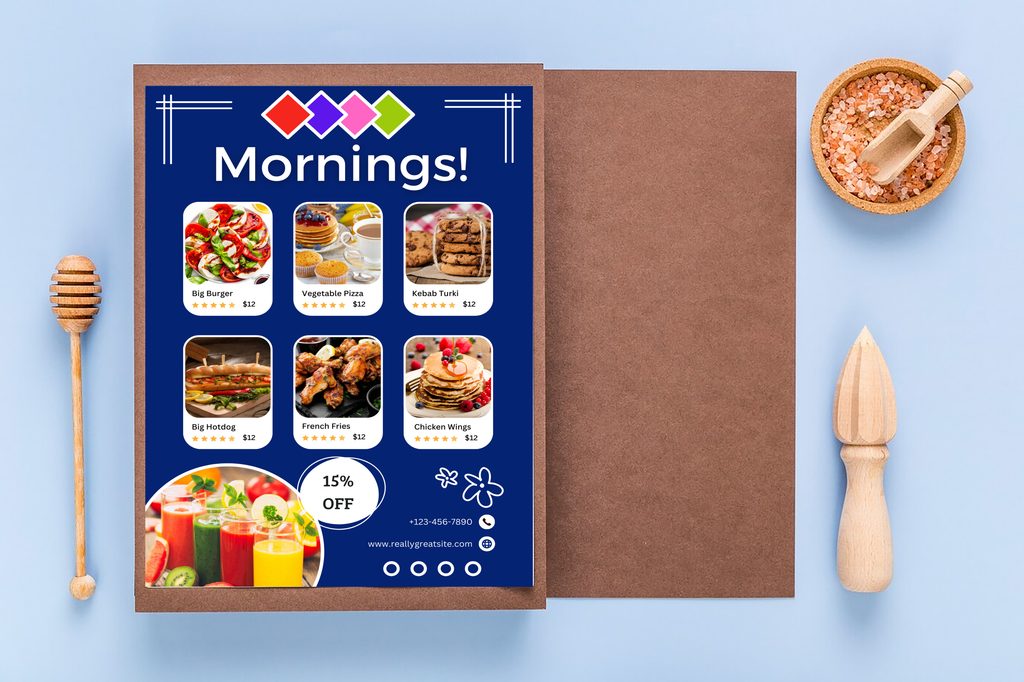
Understand what you need before you start
Begin by writing down the specific result you want from restaurant menu templates. Think about who will use the outcome, where it will appear and what success should look like. For this topic—best Canva Restaurant Menu Templates for Restaurants and Cafes—the deciding factors are menu readability, pricing transparency, dietary information, branding and fast updates. Identifying those factors early helps narrow the search and gives you useful criteria for judging alternatives.
Separate must-have features from nice-to-have features. Your first version does not need every trendy feature or decorative flourish. Set a realistic budget, estimate how much time you can spend on setup and decide which parts you can reasonably change later.
A practical step-by-step approach
- Define the project. Write down the purpose, audience, final format and where the finished restaurant menu templates will be used.
- Collect references. Save three examples that work well, then note the specific reason for each choice rather than copying the whole design.
- Choose a simple baseline. Group dishes into familiar categories and make names easy to scan. Clear descriptions, consistent prices and accurate allergen information matter more than decorative graphics.
- Check the final output. Test legibility on the actual printed menu and on a small phone screen. Use QR menus as an option, not the only path for guests who need a printed version.
- Refine with real feedback. Show the draft to front-of-house staff; ask which questions customers still have after reading.
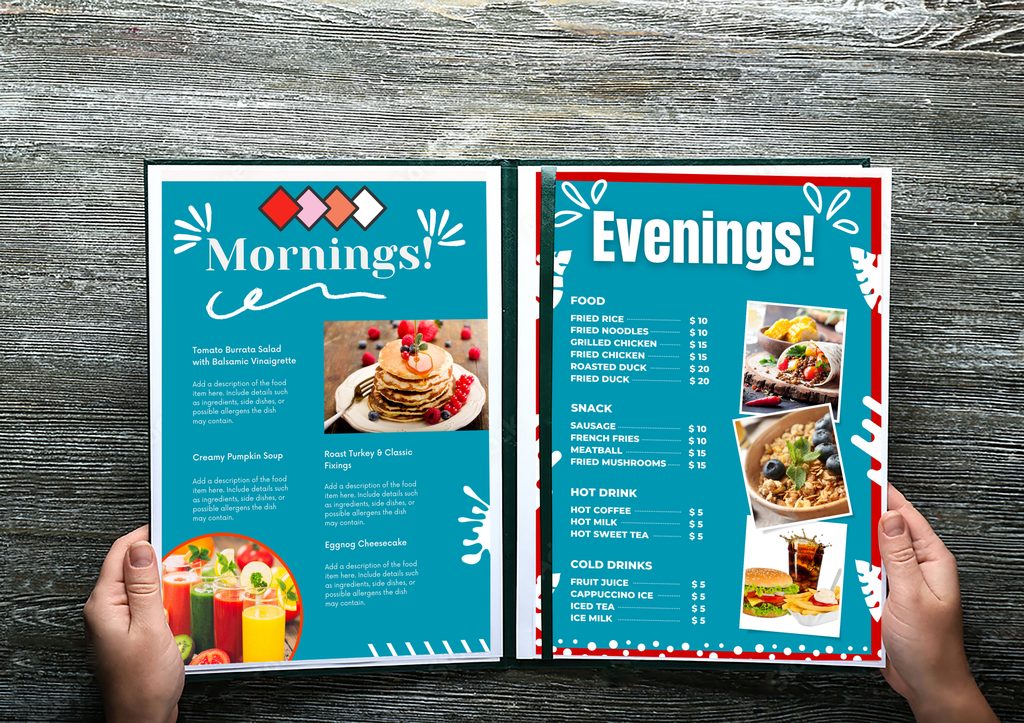
How to compare your options
When evaluating approaches to the best Canva restaurant menu templates for restaurants and cafes, compare suitability, total cost, learning curve, editability, and ownership or licensing. A low-priced download can cost more if it takes hours to repair; a premium option is not automatically better when the basic version already meets your requirements. Use the checklist below rather than choosing from an attractive preview alone.
- Does the product or method fit the actual device, format or print size?
- Can you edit or reproduce it without losing quality?
- Are licensing, cancellation, attribution and reuse terms clear?
- Is the preview representative of what you will actually receive?
Common mistakes and how to avoid them
The biggest mistake is treating restaurant menu templates as a one-size-fits-all product. Another is skipping the test phase: a file, template or design that looks excellent on a screen can fail when printed, shared or used at scale. Also avoid purchasing before checking compatibility and usage rights. Keep source files and document your settings so you can revise the result without rebuilding it.
What works in real projects
For a small test project, make one sample using restaurant menu templates and evaluate it in the setting where it will actually be used. Ask one or two intended users to complete a realistic task or react to the output. Record what confused them, fix that issue and repeat. This modest testing cycle often reveals more than browsing dozens of collections or tutorials.
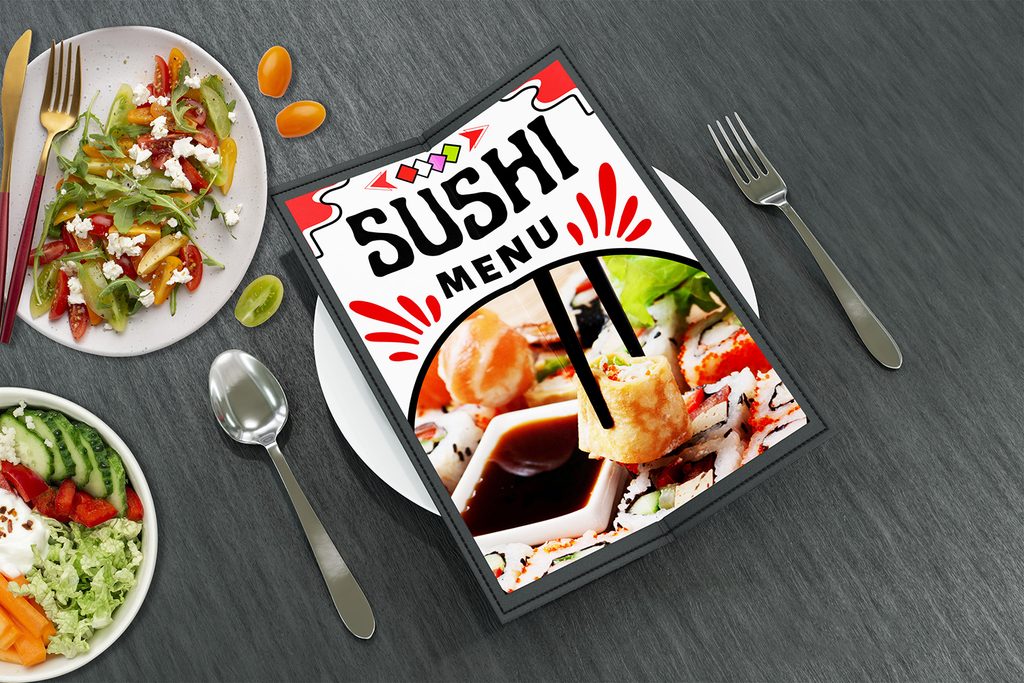
Frequently asked questions
What should beginners know about restaurant menu templates?
Start with the final use case, not the number of features. Check compatibility, choose one uncomplicated workflow and test a small version before investing in a larger collection.
How do I choose the best option for Canva restaurant menu templates for restaurants and cafes?
Compare intended use, editability, clarity, total price and licensing. The strongest choice is the one that meets your requirements with the fewest avoidable compromises.
Can I use restaurant menu templates for commercial projects?
Only when the relevant terms allow that use. Read the specific license and any platform-specific rules; commercial permission is not universal and may exclude resale of unchanged files.
What mistakes should I avoid?
Avoid assuming compatibility, skipping test exports, relying on a single low-resolution preview and forgetting the needs of the end user.
How can I improve results with restaurant menu templates?
Make one version, test it at the final size or on the final device, ask for focused feedback and adjust the most important problem first.
Should I choose a free or paid resource?
Free resources are useful for learning and testing, while paid resources may provide better support or broader rights. Compare the terms and real-world usefulness, not just the price.
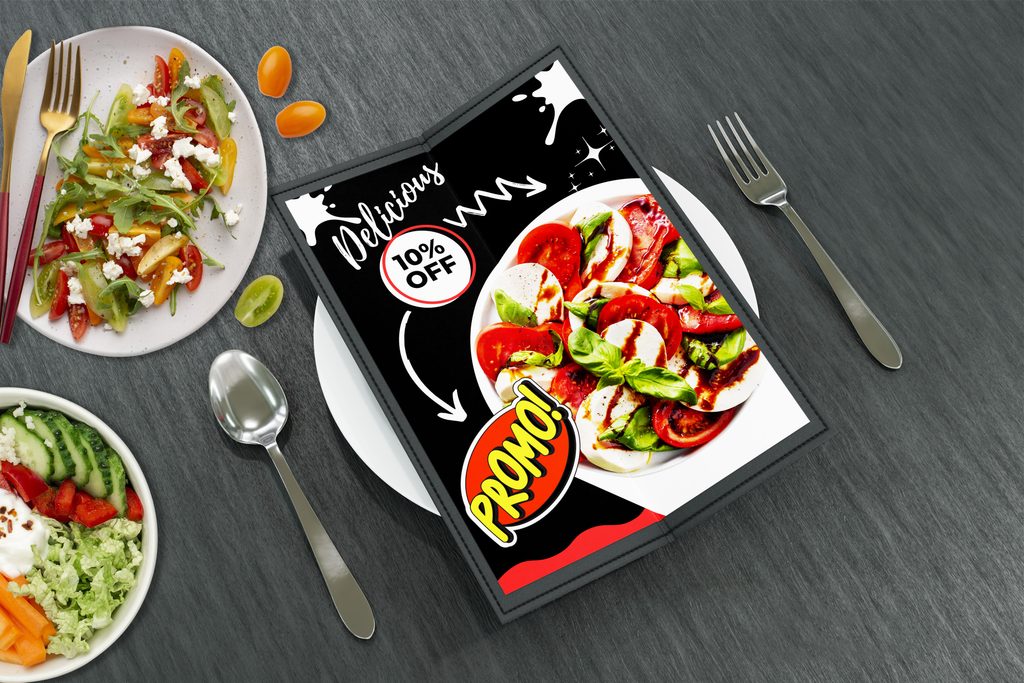
Final thoughts
The best answer to “Best Canva Restaurant Menu Templates for Restaurants and Cafes” depends on your purpose, constraints and audience. Begin with a clear plan, check the technical details, test the output and improve it based on what actually happens. Explore Imagenish.com for related creative resources and ideas, and choose tools and designs that serve your project rather than distract from it.
Clarify the purpose and the audience
For “Best Canva Restaurant Menu Templates for Restaurants and Cafes,” the practical context is restaurant design. The details that most affect the result include menu readability, printing budgets and customer decisions. Imagine a neighborhood cafe launching a seasonal menu: the person needs a solution that works in their normal routine, not only in a polished promotional image. Before you proceed, print a sample menu and ask staff to find three popular items. As you review the result, pay attention to editable text, food photography, pricing hierarchy and accessibility. Start by describing the actual person using the finished result, rather than imagining a generic buyer. A beginner often benefits from a smaller and more predictable workflow, while a professional may value speed, batch editing and reusable source files. Identify the one task that needs to feel easier after this project. Decide what success would look like in ordinary terms: fewer corrections, a faster checkout, a clearer page, an attractive room or a smoother handoff. Then use that outcome to evaluate every design choice. A beautiful preview is not strong evidence unless it survives the practical demands of the setting. Apply this to restaurant design by writing down one specific decision you made and the evidence behind it. If a choice does not help the user complete the task implied by “Best Canva Restaurant Menu Templates for Restaurants and Cafes,” simplify or remove it. This keeps the final recommendation grounded in practical use rather than abstract claims.
Research examples without copying
For “Best Canva Restaurant Menu Templates for Restaurants and Cafes,” the practical context is restaurant design. The details that most affect the result include menu readability, printing budgets and customer decisions. Imagine a neighborhood cafe launching a seasonal menu: the person needs a solution that works in their normal routine, not only in a polished promotional image. Before you proceed, print a sample menu and ask staff to find three popular items. As you review the result, pay attention to editable text, food photography, pricing hierarchy and accessibility. Collect a short reference set and write down why each example works. Look for differences in spacing, contrast, visual hierarchy, language and complexity. Avoid copying the surface appearance of a fashionable reference without understanding what makes it effective. You can build an original direction by borrowing general principles, such as generous margins or consistent headings, while developing your own wording, colors and composition. Save a note about the intended audience for every reference so that aesthetic preferences do not overrule usability. When two examples conflict, favor the one that answers the user’s actual need. Apply this to restaurant design by writing down one specific decision you made and the evidence behind it. If a choice does not help the user complete the task implied by “Best Canva Restaurant Menu Templates for Restaurants and Cafes,” simplify or remove it. This keeps the final recommendation grounded in practical use rather than abstract claims.
Build a realistic production plan
For “Best Canva Restaurant Menu Templates for Restaurants and Cafes,” the practical context is restaurant design. The details that most affect the result include menu readability, printing budgets and customer decisions. Imagine a neighborhood cafe launching a seasonal menu: the person needs a solution that works in their normal routine, not only in a polished promotional image. Before you proceed, print a sample menu and ask staff to find three popular items. As you review the result, pay attention to editable text, food photography, pricing hierarchy and accessibility. Break the work into research, first draft, sample output, review and final export. Give every phase a clear deliverable. This is more reliable than working on details indefinitely and hoping the result will feel finished. Choose tools based on the required output rather than their popularity. If another person will edit the files, document the fonts, dimensions and any third-party assets. Keep a working copy separate from the distribution file. A simple naming convention with dates and version numbers prevents an old design from accidentally reaching customers. Leave time for one review after testing. Apply this to restaurant design by writing down one specific decision you made and the evidence behind it. If a choice does not help the user complete the task implied by “Best Canva Restaurant Menu Templates for Restaurants and Cafes,” simplify or remove it. This keeps the final recommendation grounded in practical use rather than abstract claims.