
How to Choose the Perfect Wall Art for Every Room

Choosing the perfect wall art for every room is one of the easiest ways to transform a house into a home. The right artwork doesn’t just fill empty walls—it creates mood, reflects your personality, enhances your décor, and makes every space feel complete. Whether you’re decorating a cozy apartment, a modern office, or a spacious family home, selecting wall art can feel overwhelming because of the endless styles, sizes, colors, and materials available.
The good news is that you don’t need to be an interior designer to make beautiful choices. By understanding your room’s purpose, color palette, lighting, and available wall space, you can confidently select artwork that complements your interior and creates a lasting impression.
In this comprehensive guide, you’ll learn exactly how to choose the perfect wall art for every room, avoid common decorating mistakes, and discover expert tips that help you decorate like a professional.
Why Wall Art Matters in Interior Design
Wall art is much more than decoration. It serves several important purposes in home design.
It can:
- Create a focal point
- Add personality to your space
- Introduce color and texture
- Make rooms feel larger or cozier
- Express your interests and lifestyle
- Complete an unfinished-looking room
Interior designers often say that a room without artwork feels incomplete. Even a simple framed print can dramatically improve the atmosphere of a space.
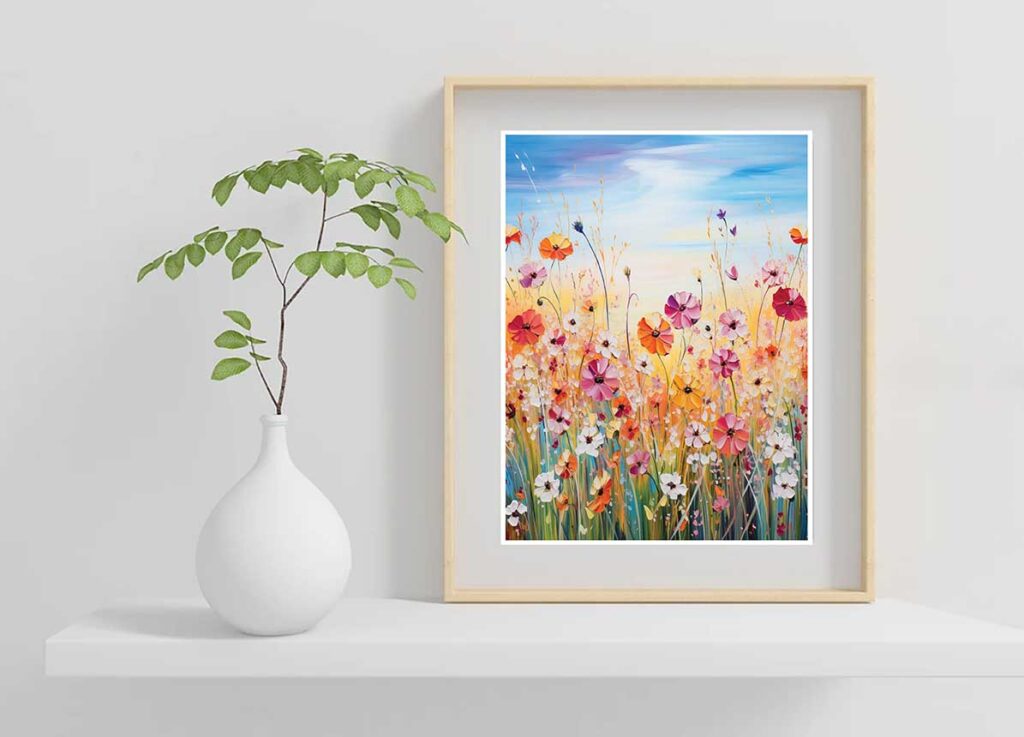
Understand the Purpose of Each Room
Before buying any artwork, think about how the room is used. Every room has a different mood, and your wall art should support that feeling.
Living Room
The living room is usually the largest social space in a home.
Choose artwork that:
- Creates conversation
- Reflects your personality
- Makes a bold statement
- Complements your furniture
Popular choices include:
- Large canvas prints
- Abstract art
- Landscape photography
- Modern wall décor
- Gallery walls
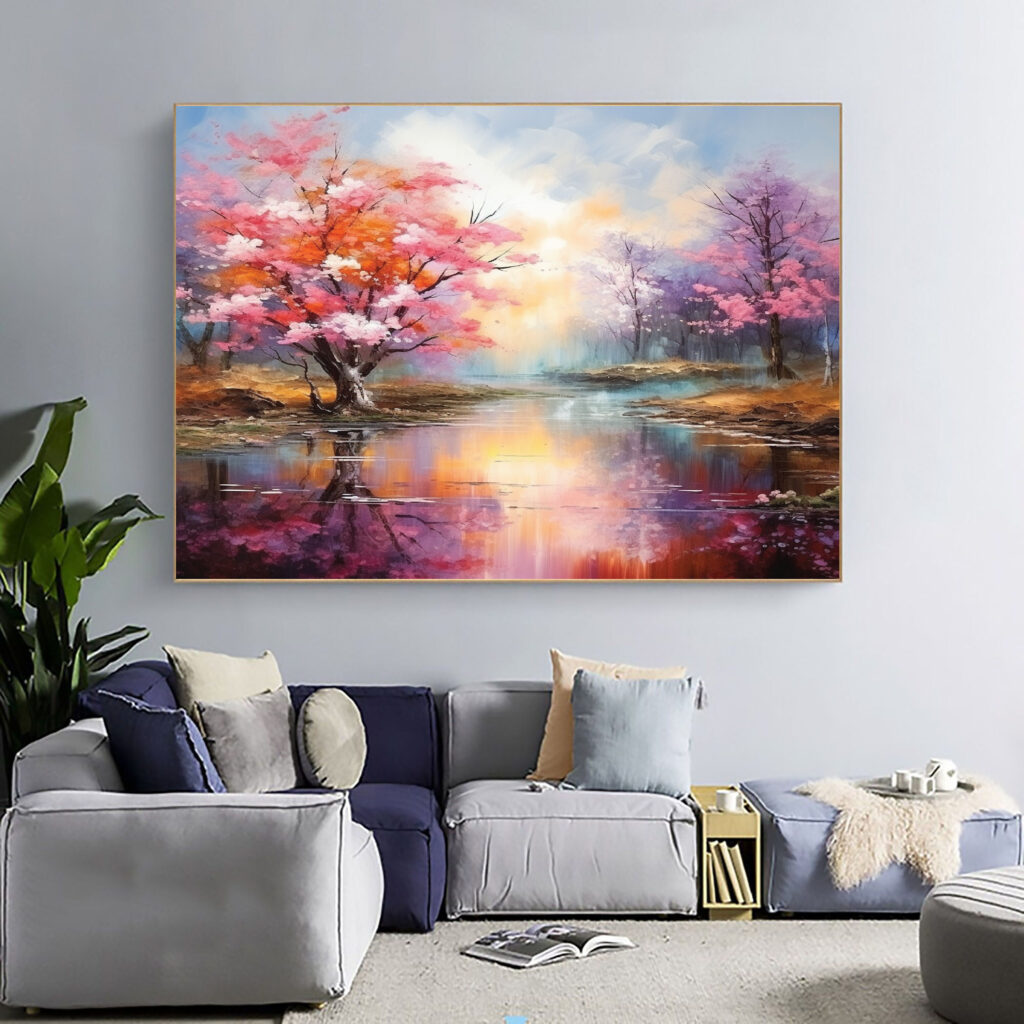
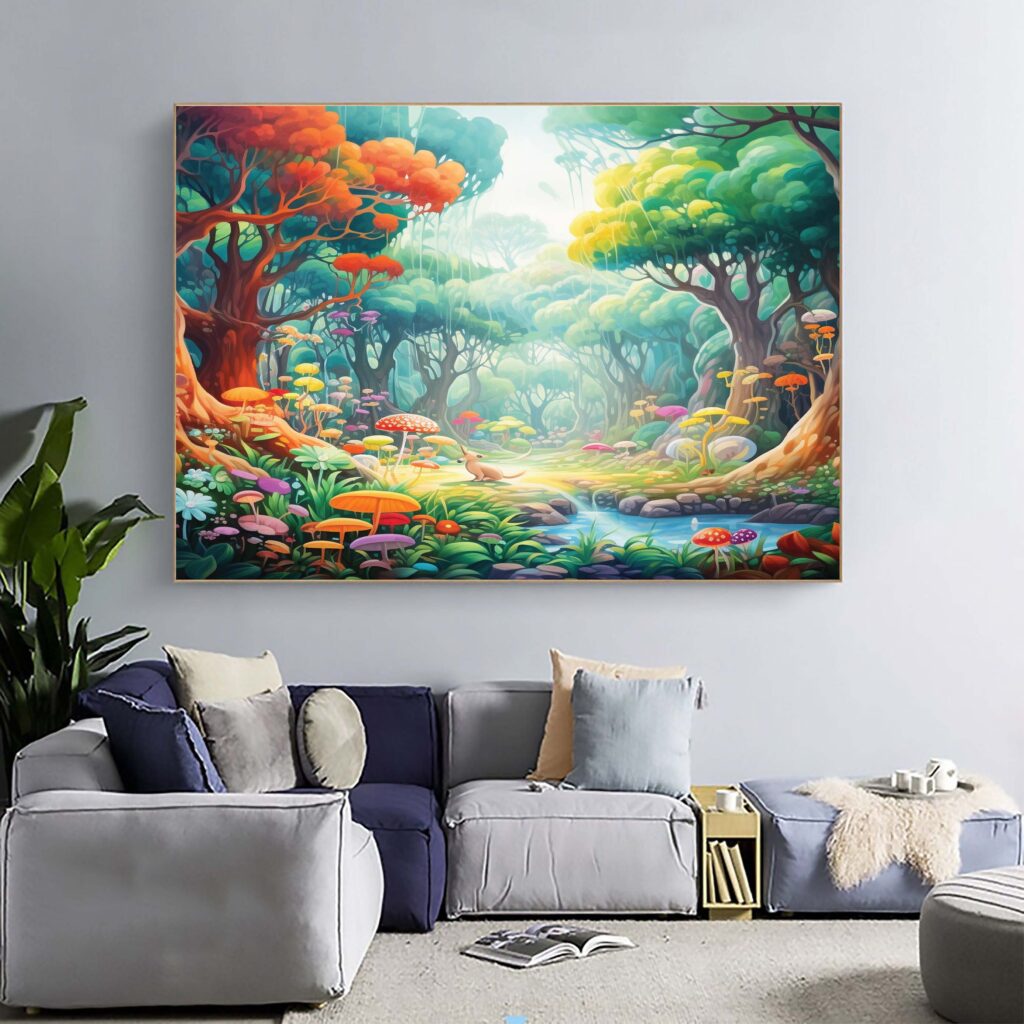
Large artwork above the sofa often becomes the room’s centerpiece.
Bedroom
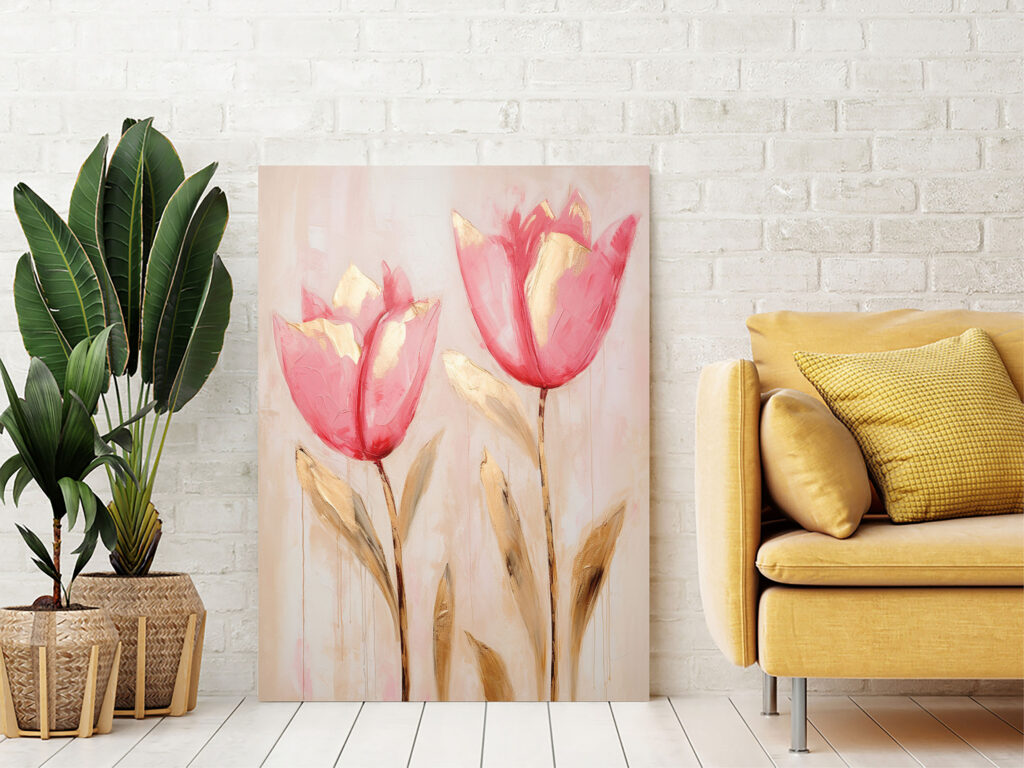
Bedrooms should feel calm, relaxing, and comfortable.
Ideal artwork includes:
- Nature scenes
- Minimalist prints
- Soft watercolor paintings
- Botanical illustrations
- Neutral abstract art
Avoid artwork with aggressive colors or chaotic compositions that may disrupt relaxation.
Dining Room
Dining rooms benefit from artwork that creates warmth and encourages conversation.
Popular themes include:
- Food-inspired artwork
- Wine photography
- Vintage illustrations
- Elegant abstract pieces
Warm colors such as orange, burgundy, and gold often work beautifully.
Home Office
Productivity and creativity should guide your choices.
Good options include:
- Inspirational typography
- City skylines
- Minimalist art
- Motivational prints
- Geometric designs
Keep distractions to a minimum while adding personality.
Kitchen
Kitchen artwork should feel fresh and inviting.
Ideas include:
- Coffee prints
- Fruit illustrations
- Herbs and spices
- Vintage recipe artwork
- Farmhouse décor
Choose moisture-resistant frames whenever possible.
Bathroom
Bathrooms are perfect for smaller artwork.
Popular options include:
- Coastal photography
- Ocean themes
- Botanical prints
- Spa-inspired artwork
- Simple line drawings
Water-resistant materials are ideal in humid environments.
Match Wall Art with Your Interior Style
Your artwork should complement your existing décor rather than compete with it.
| Interior Style | Best Wall Art |
| Modern | Minimalist prints, geometric art, abstract canvas |
| Scandinavian | Neutral landscapes, line art, botanical prints |
| Farmhouse | Rustic signs, vintage illustrations, nature photography |
| Industrial | Black-and-white photography, urban artwork, metal prints |
| Bohemian | Colorful textiles, eclectic gallery walls, handmade artwork |
| Traditional | Classical paintings, framed landscapes, elegant portraits |
Keeping your decorating style consistent creates a harmonious appearance.
Choose the Right Size
One of the biggest decorating mistakes is choosing artwork that’s too small.
Here are general size guidelines:
| Wall Space | Recommended Artwork Width |
| Above Sofa | 60–75% of sofa width |
| Above Bed | 60–80% of headboard width |
| Hallway | Medium-sized framed prints |
| Entryway | Statement piece or gallery wall |
Easy Measuring Rule
Before purchasing:
- Measure your wall.
- Mark dimensions using painter’s tape.
- Step back.
- Evaluate the visual balance.
This simple trick prevents expensive mistakes.
Select Colors That Complement Your Room
Color coordination makes artwork feel intentional.
There are three popular approaches.
Match Existing Colors
Choose artwork that includes colors already present in:
- Rugs
- Curtains
- Cushions
- Furniture
- Accent décor
This creates a cohesive appearance.
Add Contrast
Sometimes contrast creates more visual interest.
For example:
- Neutral room + colorful abstract art
- Dark walls + bright artwork
- White interiors + black-and-white photography
Contrast adds energy without overwhelming the space.
Use the 60-30-10 Rule
Interior designers frequently use this rule:
- 60% dominant color
- 30% secondary color
- 10% accent color
Your artwork often contributes to the final 10%.
Pick the Right Art Style
Different artistic styles create different emotions.
Popular choices include:
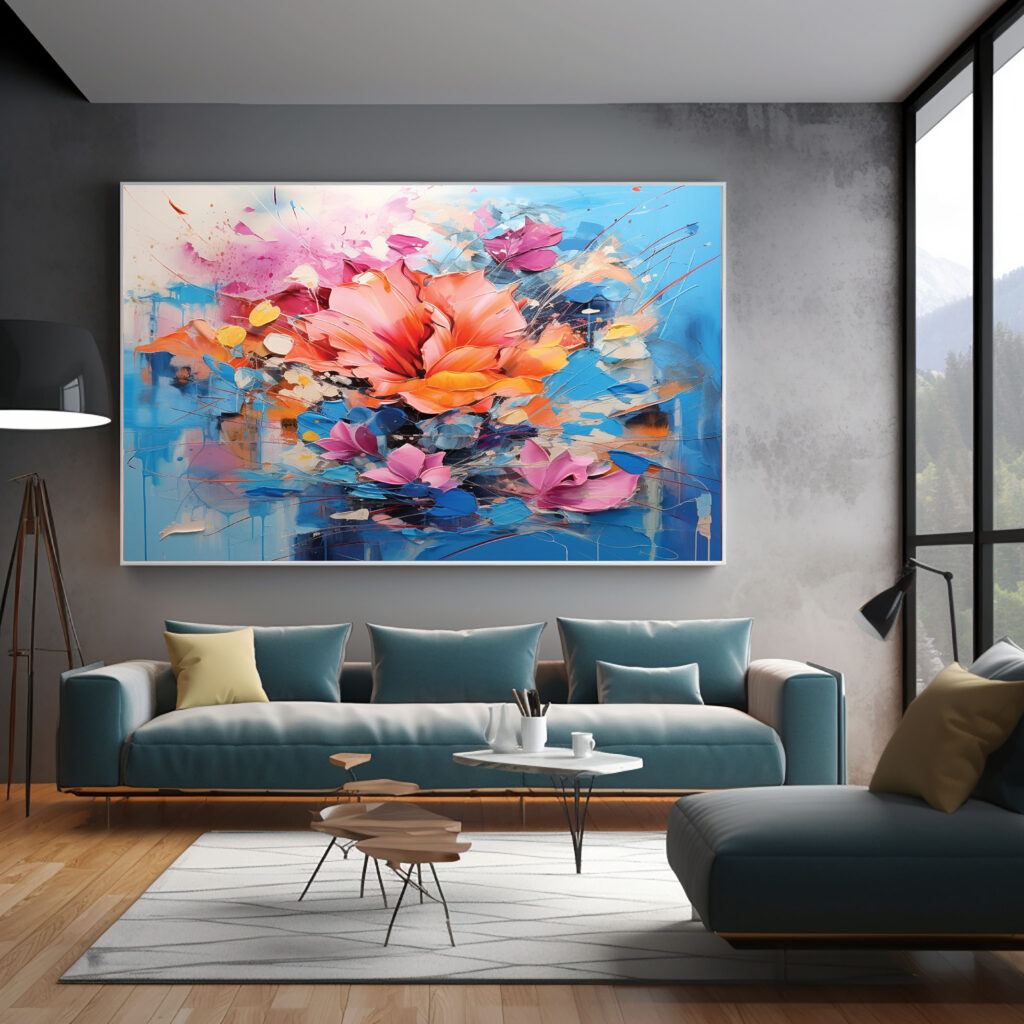
Abstract Art
Perfect for:
- Modern homes
- Contemporary interiors
- Living rooms
- Offices
Landscape Photography
Best for:
- Bedrooms
- Hallways
- Waiting rooms
Creates a peaceful atmosphere.
Botanical Prints
Ideal for:
- Kitchens
- Bathrooms
- Scandinavian interiors
Black and White Photography
- Minimalist spaces
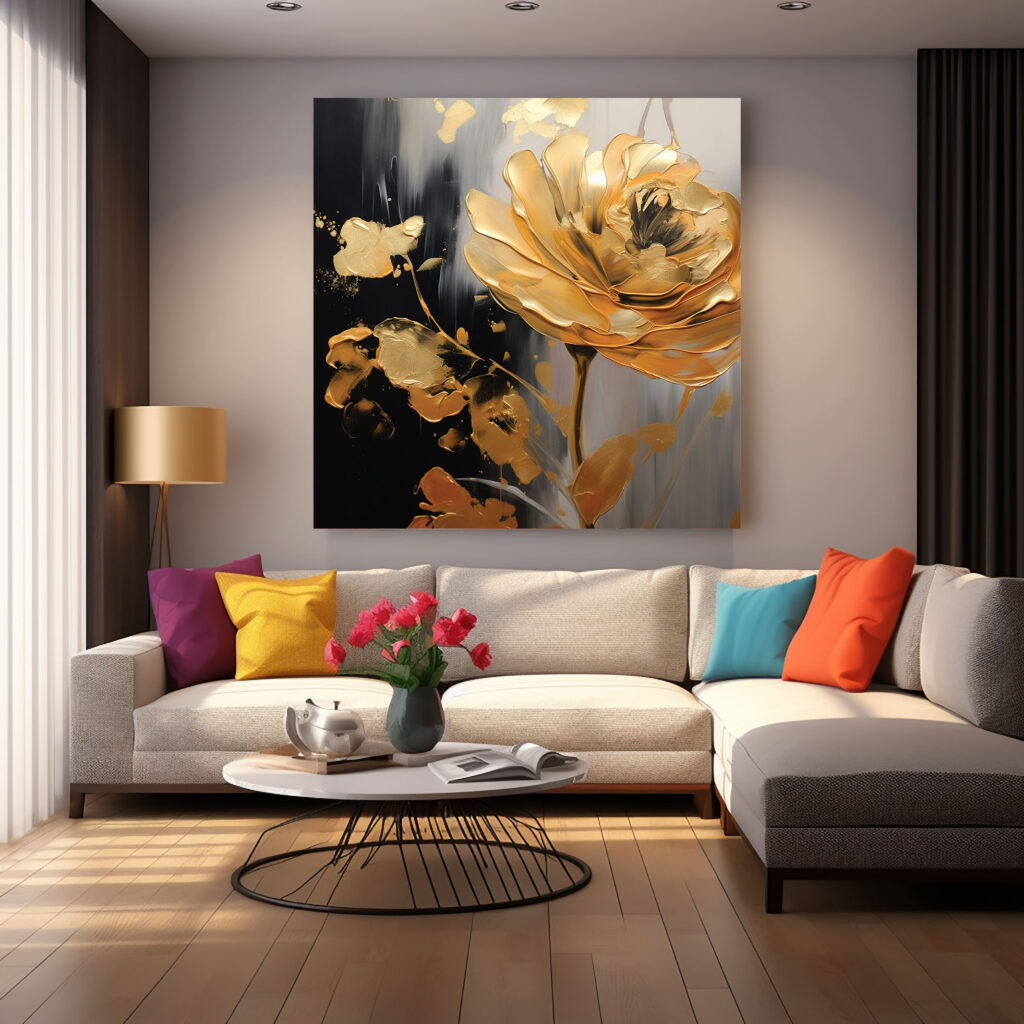
- Industrial homes
- Professional offices
Consider Frame Styles
The frame affects the overall appearance almost as much as the artwork itself.
Popular frame options include:
- Natural wood
- Black metal
- White minimalist
- Gold luxury
- Floating canvas
Choose frames that match furniture finishes for better consistency.
Create a Stunning Gallery Wall
Gallery walls remain one of the biggest home décor trends.
Planning Tips
- Keep 2–3 inches between frames.
- Mix large and small pieces.
- Use consistent frame colors.
- Arrange layouts on the floor first.
- Start from the center.
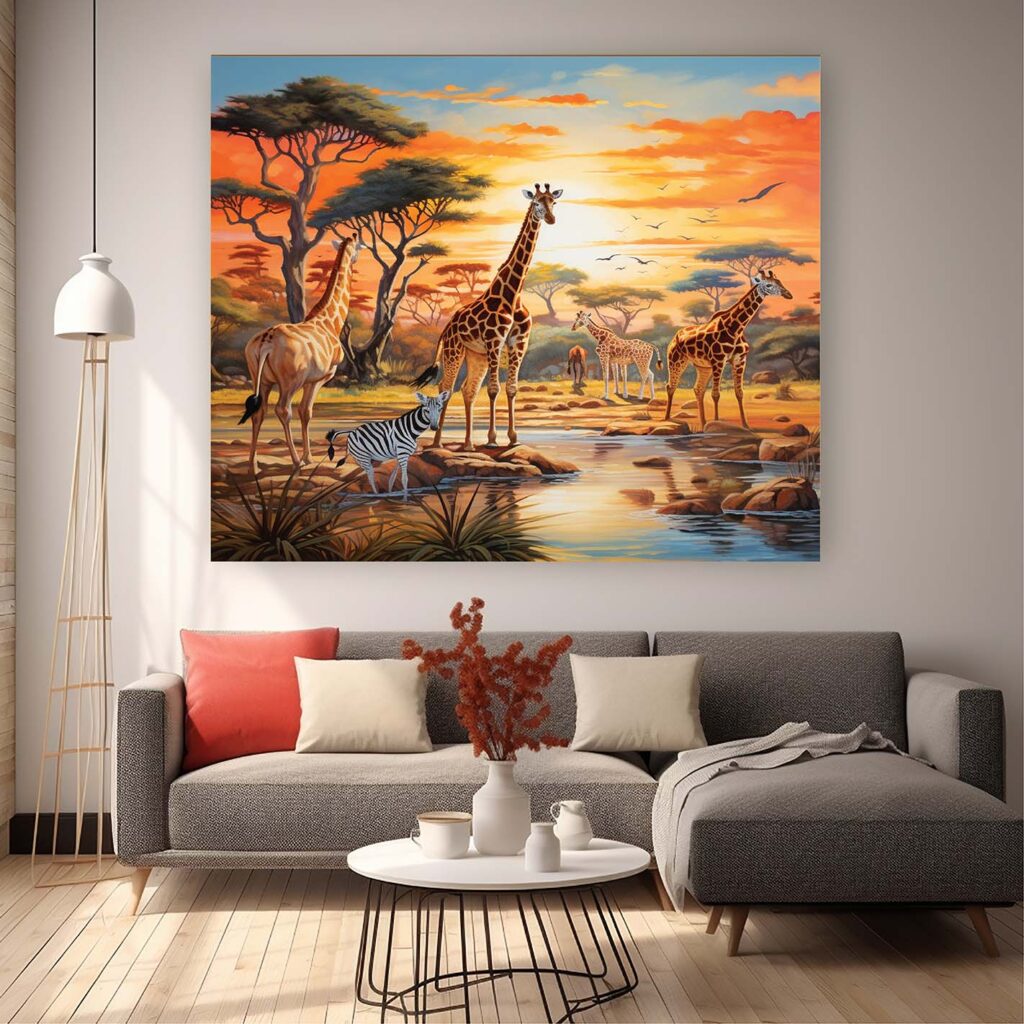
Gallery walls allow you to showcase family photos, travel memories, artwork, and personal collections together.
Think About Lighting
Lighting dramatically changes how artwork appears.
Natural light brings out colors but can fade prints over time.
Artificial lighting can enhance artwork using:
- Picture lights
- LED spotlights
- Track lighting
- Wall sconces
Warm lighting creates cozy spaces.
Cool lighting emphasizes modern artwork.
Balance Large and Small Pieces
Not every wall needs oversized artwork.
Use:
Large Art For
- Above sofas
- Staircases
- Entryways
- Dining rooms
Small Art For
- Bathrooms
- Reading corners
- Shelves
- Hallways
Mixing sizes adds visual variety.
Popular Wall Art Materials
Different materials suit different decorating styles.
| Material | Best For |
| Canvas | Modern interiors |
| Framed Prints | Traditional homes |
| Metal Prints | Industrial spaces |
| Acrylic Prints | Contemporary décor |
| Wood Panels | Rustic interiors |
| Fabric Tapestries | Bohemian homes |
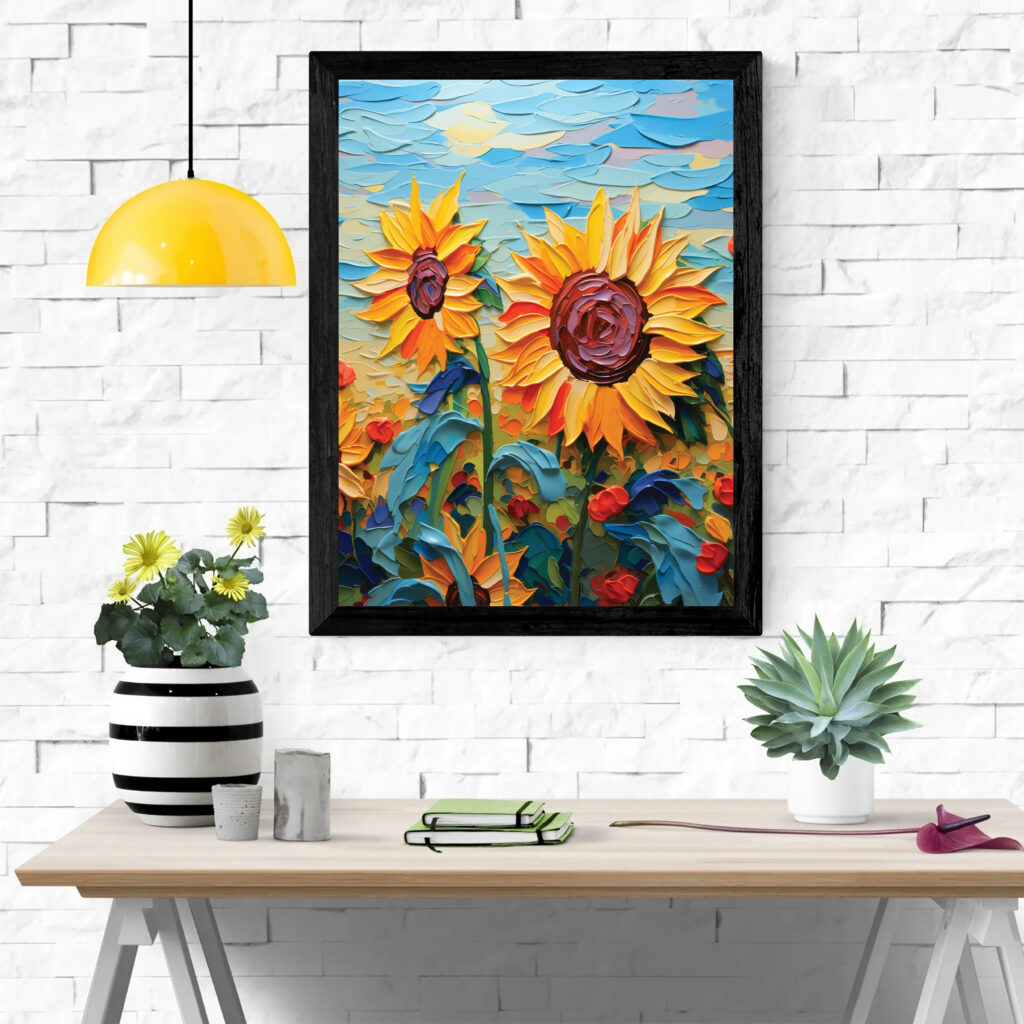
Each offers a unique texture and appearance.
Personalize Your Space
Your home should reflect your story.
Consider displaying:
- Family photographs
- Travel memories
- Favorite quotes
- Custom illustrations
- Children’s artwork
- Personal achievements
Personalized wall art often becomes the most meaningful décor in a home.
Common Mistakes to Avoid
Many homeowners make the same decorating mistakes.
Avoid these:
- Hanging artwork too high
- Choosing pieces that are too small
- Ignoring room lighting
- Buying art that clashes with décor
- Overcrowding gallery walls
- Using too many competing colors
- Forgetting frame consistency
- Decorating every wall
Sometimes empty space is just as important as artwork.
Expert Tips for Choosing Perfect Wall Art
Professional interior designers recommend:
- Buy artwork you genuinely love.
- Consider long-term style instead of trends.
- Measure twice before purchasing.
- Mix textures for added depth.
- Use oversized artwork in large rooms.
- Keep bedrooms calming.
- Rotate seasonal artwork for a fresh look.
- Invest in quality prints that last for years.
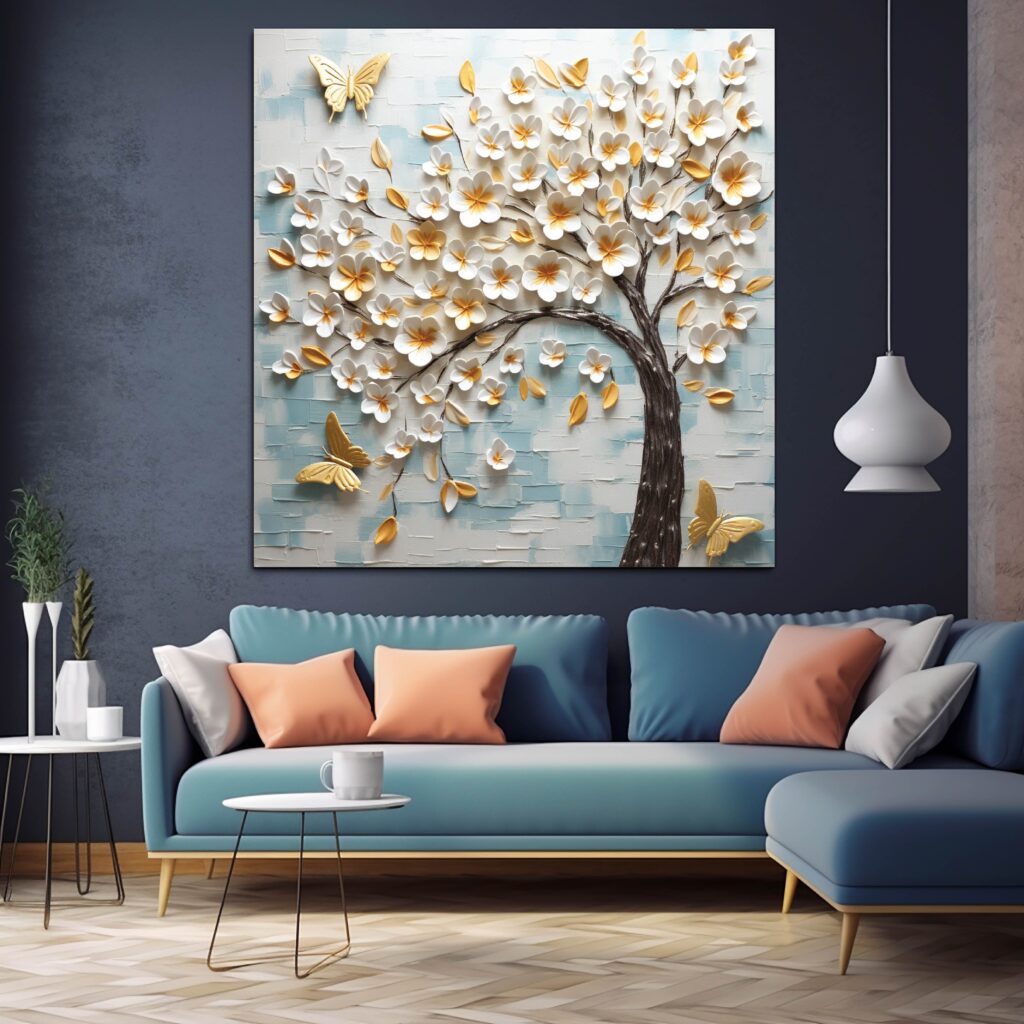
These simple practices create timeless interiors.
Room-by-Room Wall Art Checklist
Before purchasing, ask yourself:
✅ Does it fit the room’s purpose?
✅ Does the size match the wall?
✅ Do the colors complement the décor?
✅ Does it reflect my personality?
✅ Will I still enjoy it in five years?
✅ Is the frame appropriate?
✅ Does the lighting showcase it properly?
If you answer “yes” to all of these, you’re probably making a great choice.
Frequently Asked Questions
What size wall art should I buy?
Artwork should generally cover about 60–75% of the width of the furniture beneath it. Always measure your space before purchasing to ensure balanced proportions.